
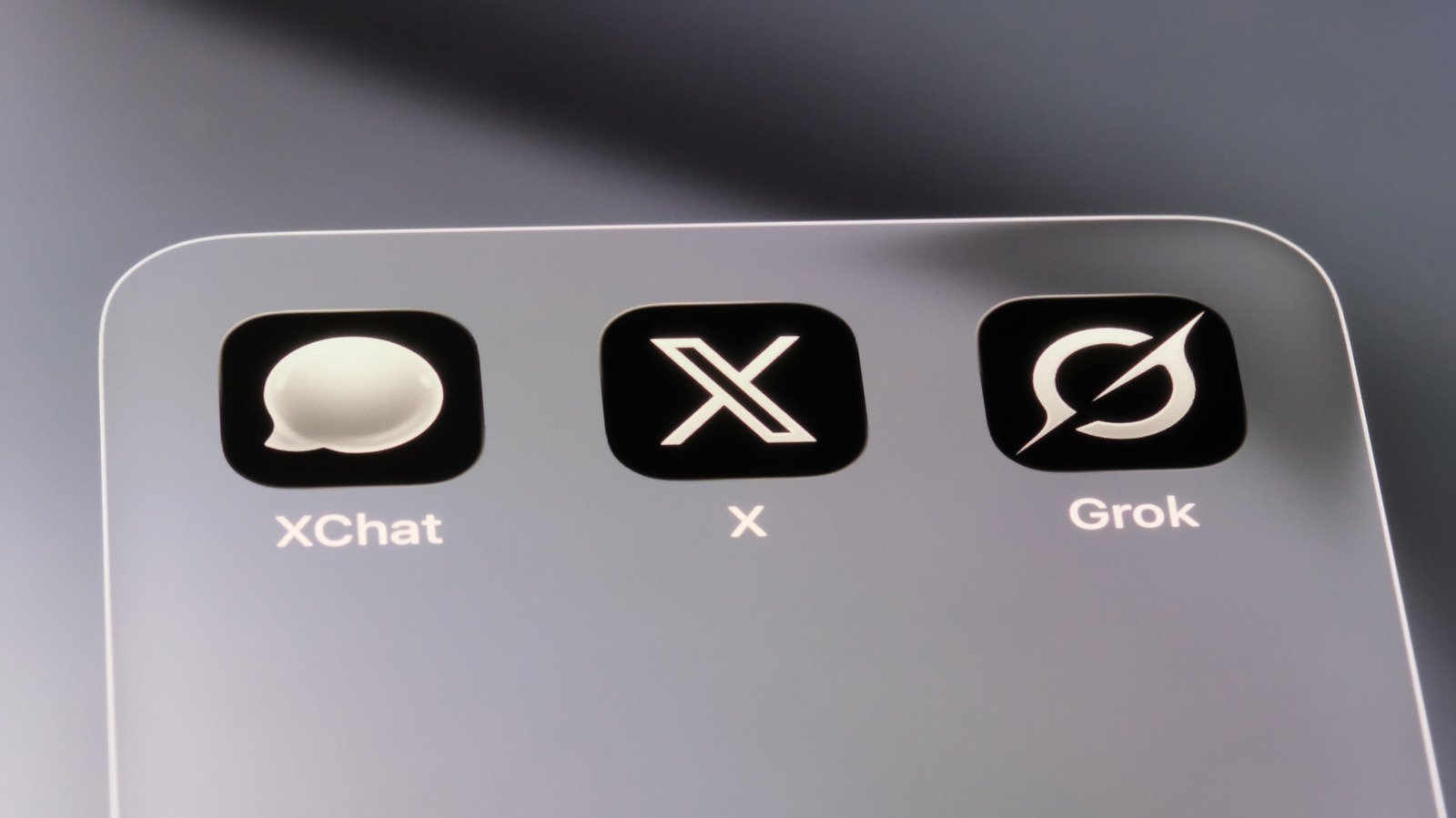
SpaceXSI Introduces X Subscription Across Product Lines
The newly rebranded SpaceXSI has launched its X Subscription service, bundling Grok, Cursor, and X Premium into a single membership program. This unified offering arrives months after the company acquired the coding startup Cursor in August and follows CEO Elon Musk’s decision to rename the firm from SpaceXAI amid political pressure to adopt the term “super intelligence.” The X Subscription rolls out across four distinct pricing tiers designed for individual users, teams, and enterprise customers.
X Subscription Tiers Break Down Features And Pricing
The entry-level Plus tier costs $8 per month and grants access to Grok Chat, Voice, Imagine, and Build features alongside Grok API integration. Subscribers also receive Cursor access for coding tasks and X Premium benefits including a verification checkmark, reduced advertisements on the X timeline, enhanced creator tools, and advanced analytics. Meanwhile, the $30 monthly Premium tier adds Grok Bot access, the latest Grok models, AI image and video generation capabilities, and faster chat response times.
Higher Tiers Target Power Users And Development Teams
On the Cursor side, Premium tier members gain code hosting, cloud agents, and automation features. X Premium upgrades include completely ad-free scrolling and the ability to secure preferred handles. The $100 Super tier encompasses everything in lower tiers plus priority access to Grok models during peak usage periods. At the top end, the $200 Ultra tier provides earliest access to all products and models with twenty times the usage capacity of the Plus plan.
Team And Enterprise Options Expand Market Reach
Premium, Super, and Ultra plans are available for team deployments, while enterprise customers can negotiate customized arrangements directly with SpaceXSI. This tiered approach mirrors strategies employed by other AI platforms seeking to monetize advanced models while maintaining accessible entry points. The company’s official announcement on X emphasized the unification of previously separate subscription plans across its product ecosystem.
Industry Context And Competitive Positioning
SpaceXSI’s move consolidates revenue streams across conversational AI, coding assistance, and social media premium features. Competitors like Anthropic and OpenAI maintain separate subscription models for their chat interfaces and API access. The inclusion of Cursor, a popular AI-powered code editor, adds significant value for developers who previously managed multiple subscriptions. For more details on AI subscription trends, see this analysis from The Verge’s AI coverage.
X Subscription Market Impact and Industry Significance
The introduction of X Subscription represents a pivotal shift in modern technological adoption across enterprise and consumer sectors alike. Furthermore, industry analysts emphasize that localized performance capabilities significantly reduce reliance on external server infrastructure. Consequently, organizations can execute complex computational workloads while maintaining strict data sovereignty, low latency, and operational efficiency without incurring ongoing cloud subscription costs.
Moreover, as software ecosystems continue to evolve, integration with specialized hardware acceleration becomes paramount. Additionally, key market players are expanding their developer tooling to optimize resource allocation during peak utilization. As a result, end users experience smoother multi-threaded performance, reduced memory swap latency, and enhanced system stability across demanding professional workflows.
Performance Benchmarks and Practical X Subscription Scenarios
In real-world deployment scenarios, evaluating sustained throughput and thermal efficiency is essential for technical decision-makers. Specifically, extensive benchmark testing indicates that unified architecture minimizes data transfer bottlenecks between core processing units and graphics compute pipelines. Therefore, demanding tasks operate with minimal compute overhead.
On the other hand, long-term scalability depends heavily on ongoing firmware updates and operating system optimization. Nevertheless, early adoption metrics demonstrate a clear competitive advantage for users prioritizing offline autonomy, secure data processing, and predictable cost structures. Ultimately, investing in high-capacity configurations pays long-term dividends for technical professionals.
Ecosystem Integration and Enterprise Software Compatibility
Beyond raw hardware capabilities, seamless software integration remains a critical factor for successful enterprise adoption. Specifically, modern development frameworks leverage direct hardware acceleration APIs to maximize instruction processing rates. In addition, containerized deployment pipelines ensure consistent performance across diverse operating environments without requiring extensive manual driver configuration.
Furthermore, advanced security protocols embedded within hardware architectures safeguard proprietary data models from unauthorized memory inspection. Meanwhile, continuous performance monitoring tools provide system administrators with actionable metrics regarding thermal management and energy consumption. Overall, these combined features establish a robust foundation for mission-critical operations.