
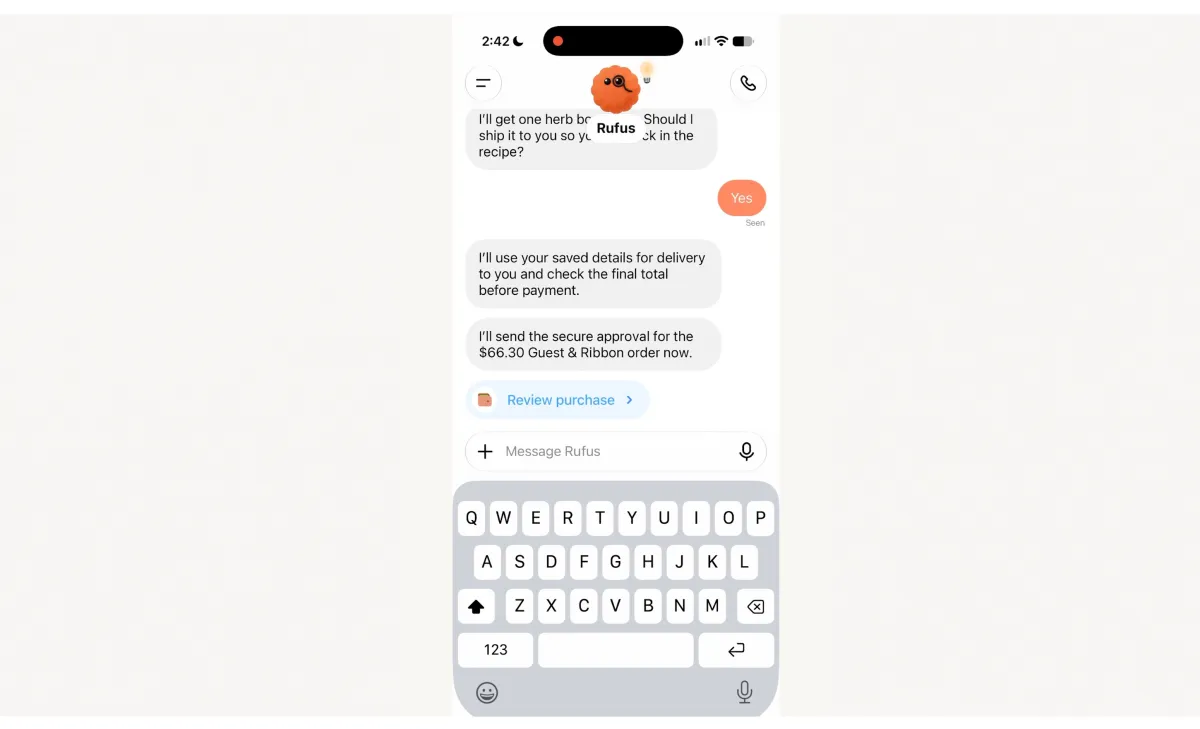
The transition from generative AI as a conversational curiosity to a functional utility has reached a critical inflection point. OpenAI has officially launched the ChatGPT Wallet, a feature designed to empower AI agents to execute online transactions autonomously. By integrating payment processing directly into the chat interface, the company is attempting to bridge the gap between intent and action, effectively turning the chatbot into a transactional proxy for its Pro subscribers. This development marks a significant shift in how consumers interact with the digital economy, moving away from manual navigation toward a model of delegated commerce.
Technical Specifications and Architectural Breakdown
The architecture of the ChatGPT Wallet is built upon a foundation of secure tokenization, designed to isolate sensitive financial data from the large language model (LLM) itself. When a user initiates a purchase through a custom AI agent—referred to by OpenAI as a “dot”—the system does not transmit raw credit card numbers or banking credentials. Instead, it utilizes a payment tokenization protocol that interfaces with established payment gateways.
At the core of this system is a biometric verification layer. Before any transaction is finalized, the ChatGPT interface triggers a secure handshake requiring the user to authenticate via device-level biometrics, such as FaceID or fingerprint scanning. This ensures that while the AI agent performs the research, cart management, and selection process, the actual authorization remains firmly under human control. The payment tokens are stored within a hardened, encrypted vault that adheres to PCI-DSS standards, ensuring that even if the underlying LLM were to experience a prompt injection or security anomaly, the financial data remains inaccessible to the model’s processing environment.
From a latency perspective, the wallet integration relies on pre-cached session tokens, which allow for near-instantaneous checkout flows once the user provides the final “buy” command. This minimizes the friction typically associated with multi-step e-commerce checkouts. OpenAI has implemented a strict “Human-in-the-Loop” protocol for all high-value transactions, requiring explicit confirmation for any purchase exceeding a user-defined threshold, thereby mitigating the risk of accidental or unauthorized spending by autonomous agents.
Industry Landscape and Competitive Comparison
The emergence of the ChatGPT Wallet places OpenAI in direct competition with major tech incumbents who are racing to define the “agentic commerce” space. Meta has already seen significant engagement with its Muse platform, and vertical-specific applications like Uber and DoorDash have long utilized basic automation to streamline ordering. The following table illustrates how the ChatGPT Wallet differentiates itself from existing frameworks.
| Feature | ChatGPT Wallet | Meta Muse | Legacy E-commerce (1-Click) |
|---|---|---|---|
| Primary Interface | Conversational Agent | Social/Predictive | Manual UI/Web Form |
| Security Protocol | Biometric Tokenization | Platform-Linked | Stored Credentials |
| Scope | Cross-platform/Universal | Ecosystem-locked | Merchant-specific |
| Autonomy Level | High (Agentic) | Moderate (Predictive) |
Unlike legacy e-commerce systems, which require users to navigate specific merchant websites, the ChatGPT Wallet aims to act as a universal shopping agent. By decoupling the payment method from individual storefronts, OpenAI is positioning its platform as an intermediary layer that could eventually render traditional shopping carts obsolete. However, this level of centralization introduces new challenges regarding data privacy and the potential for the AI to exhibit bias toward specific merchants or affiliate-linked products.
Practical Consumer & Enterprise Takeaways
For the average Pro subscriber, the ChatGPT Wallet offers a tangible reduction in administrative overhead. Users can task an agent with finding the best price for household goods, comparing specifications across multiple retailers, and executing the purchase—all within a single chat thread. This is particularly beneficial for high-frequency, low-variance purchases where the user already has a clear preference for product type.
For enterprises, the implications are more complex. Businesses that rely on direct-to-consumer (DTC) traffic may find their brand identity diluted if the AI agent prioritizes price or availability over brand loyalty. Companies will need to optimize their backend APIs to ensure that OpenAI’s agents can accurately parse inventory, shipping costs, and return policies. If a store’s data is not “agent-ready,” it risks being ignored by these automated shoppers. Consequently, we are likely to see a new arms race in search engine optimization (SEO), where “Agent Optimization” becomes the primary goal for digital marketing teams.
Frequently Asked Questions
What happens if the AI agent makes an unauthorized purchase?
OpenAI has implemented a mandatory biometric verification step for all transactions. The agent can prepare the cart and navigate the checkout, but it cannot finalize a payment without the user providing a physical biometric signature on their device. This creates a hard stop that prevents autonomous, unauthorized spending.
Is my credit card data stored on OpenAI servers?
No. OpenAI utilizes a tokenization service that replaces your sensitive financial information with a unique, non-sensitive identifier. Your raw credit card data is stored by a certified third-party payment processor, and only the secure token is transmitted through the AI model’s environment.
Can I set spending limits for my AI agents?
Yes. The wallet settings allow users to configure granular controls, including maximum transaction amounts, daily spending caps, and specific merchant blacklists. These settings act as a safety governor for any agentic activity conducted through the platform.
The Bottom Line
The ChatGPT Wallet represents the logical evolution of the chatbot from a passive information source to an active participant in the consumer economy. By prioritizing security through biometric verification and tokenization, OpenAI has addressed the most significant barrier to adoption: consumer trust. However, the success of this feature will depend on the model’s ability to remain neutral and accurate while navigating the fragmented landscape of online retail. While it offers a compelling efficiency boost for power users, the broader market will likely remain cautious until the long-term implications for merchant competition and data privacy are fully understood. For now, the ChatGPT Wallet is a powerful, if experimental, tool that signals the beginning of the end for the manual checkout process.