
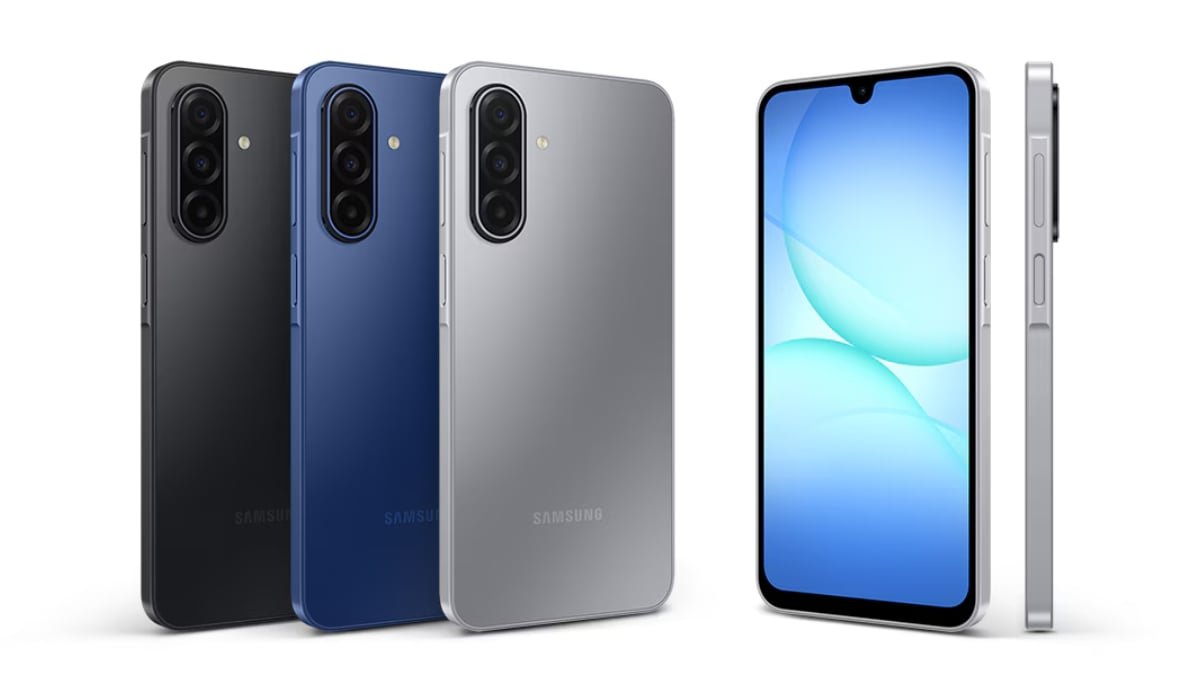
The smartphone industry has reached a point of diminishing returns in the flagship sector, shifting the true battleground for market share toward the mid-range segment. Recent regulatory filings from the Bluetooth SIG certification body confirm that the Samsung Galaxy A18 5G is currently in active development, signaling Samsung’s intent to solidify its stronghold in this high-volume category. As the successor to the A17 series, the device is positioned to balance the growing consumer demand for high-speed 5G connectivity with the economic constraints of the current global market. By preparing at least seven distinct model variations, including the SM-A186B and SM-A186U, Samsung is demonstrating a granular approach to regional network compatibility, ensuring that the handset remains a viable option across diverse telecommunications infrastructures in the United States and international markets.
Technical Specifications and Architectural Breakdown
While the Bluetooth SIG documentation focuses primarily on radio frequency compliance and wireless protocols, the underlying architecture of the Samsung Galaxy A18 5G points toward a strategic refinement of the existing Exynos-based hardware ecosystem. Engineering teams appear to be prioritizing power efficiency and thermal management, two critical factors for devices that occupy the sub-premium price bracket. The inclusion of widespread 5G support across all regional variants suggests that Samsung is moving away from the bifurcated 4G/5G strategy seen in previous years, effectively making high-speed data access a standard utility rather than a premium feature.
Industry analysts anticipate that the A18 5G will utilize an updated 4nm or 5nm process node, which would provide a significant leap in battery longevity compared to its predecessors. The display technology is expected to retain the 6.7-inch Super AMOLED panel, a hallmark of the A-series that provides high contrast ratios and color accuracy that often rivals more expensive flagship devices. Furthermore, the integration of updated Bluetooth 5.3 or 5.4 protocols suggests a focus on low-latency connectivity for peripherals, such as wireless earbuds and wearable health trackers, which are increasingly central to the Samsung ecosystem experience.
Industry Landscape and Competitive Comparison
The mid-range market is currently saturated with aggressive pricing from competitors such as Xiaomi and Motorola. For the Samsung Galaxy A18 5G to maintain its dominance, it must offer more than just brand recognition; it must provide a superior software lifecycle. Samsung’s commitment to four years of security updates remains a significant differentiator in this segment, where many competitors abandon software support after only 18 to 24 months. The following table outlines how the upcoming A18 5G compares against its immediate predecessor and a primary competitor in the current landscape.
| Feature | Galaxy A17 5G | Galaxy A18 5G (Expected) | Motorola Moto G Power (2024) |
|---|---|---|---|
| Display | 6.5-inch LCD | 6.7-inch Super AMOLED | 6.7-inch LCD |
| Processor | Exynos 1330 | Refined Exynos/Snapdragon | MediaTek Dimensity 7020 |
| Software Support | 3 Years OS Updates | 4 Years OS Updates | 1-2 Years OS Updates |
| Connectivity | 5G Sub-6 | 5G Sub-6/mmWave | 5G Sub-6 |
Practical Consumer & Enterprise Takeaways
For the average consumer, the Samsung Galaxy A18 5G represents a logical upgrade path for those currently utilizing devices from the 2021 or 2022 model years. The primary value proposition lies in the combination of a high-quality display and a sustainable software roadmap. Enterprise buyers should also take note: the inclusion of Knox security features, typically reserved for higher-tier devices, makes the A18 5G an attractive candidate for corporate fleet deployment where data security and long-term hardware reliability are paramount.
However, users should remain cognizant of the trade-offs. To achieve the aggressive price point required for market competitiveness, Samsung often implements compromises in camera sensor quality and chassis materials. Those who prioritize professional-grade photography or high-end gaming performance may find the A18 5G insufficient for their specific needs, as it is optimized for utility and longevity rather than raw computational power. Potential buyers should weigh the necessity of 5G speeds against the actual coverage in their specific geographic location before committing to the upgrade.
Frequently Asked Questions
Will the Samsung Galaxy A18 5G support expandable storage via microSD?
While official specifications are pending, Samsung has consistently maintained microSD card slots in its A-series handsets to distinguish them from the flagship S-series. It is highly probable that the A18 5G will continue this trend, providing a cost-effective way for users to expand storage for media and documents.
How does the A18 5G compare to the flagship S-series in terms of daily performance?
The A18 5G is engineered for efficiency rather than peak performance. While it will handle daily tasks such as web browsing, social media, and video streaming with ease, it will lack the specialized NPU (Neural Processing Unit) capabilities and high-end image signal processors found in the S-series, which are necessary for advanced computational photography and intensive multitasking.
When can consumers expect a global release date?
Based on previous product cycles and the current status of regulatory filings, the device is expected to be announced in the first half of the upcoming calendar year, with a staggered rollout beginning in Asian and European markets before reaching North American retailers.
The Bottom Line
The Samsung Galaxy A18 5G is shaping up to be a calculated, sensible iteration rather than a radical departure from established norms. By focusing on essential improvements—namely screen technology, software longevity, and universal 5G access—Samsung is playing to its strengths. The device is not intended to excite the enthusiast crowd, but rather to provide a reliable, secure, and modern smartphone experience for the vast majority of the population. For those who prioritize value, long-term support, and the reliability of a major ecosystem, the A18 5G is positioned to be one of the most significant releases of the year.