
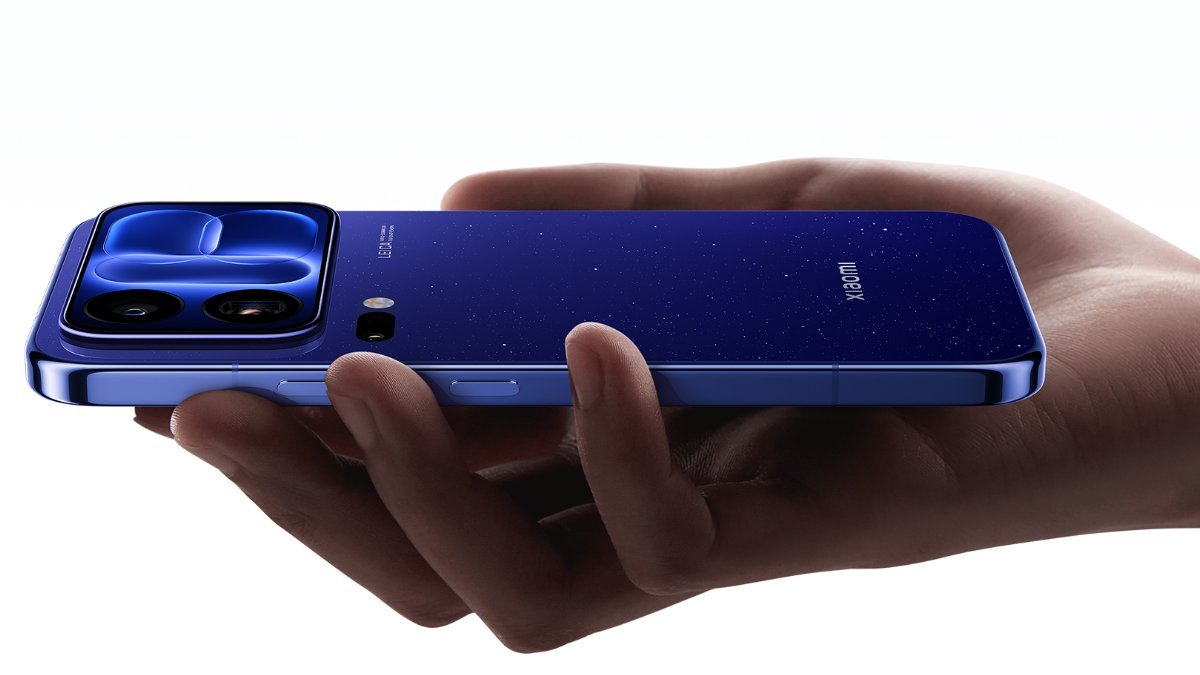
The Indian smartphone sector, a market defined by its fierce price sensitivity and rapid technological adoption, is bracing for a significant disruption as the Xiaomi 18 Pro prepares for its early January 2027 arrival. As the company moves to solidify its footprint in the premium tier, this flagship launch represents more than just a hardware update; it is a calculated effort to reclaim dominance in a segment currently dominated by established incumbents. By integrating bleeding-edge silicon and a distinct design philosophy, the Xiaomi 18 Pro seeks to redefine the expectations of the Indian power user, challenging the status quo with a blend of aggressive performance metrics and high-end imaging capabilities.
Technical Specifications and Architectural Breakdown
At the core of the Xiaomi 18 Pro resides the Snapdragon 8 Elite Gen 6 processor, a chipset designed to push the boundaries of mobile thermal management and computational throughput. Built on a refined lithography process, this architecture prioritizes sustained performance, essential for the demanding multitasking environments common among Indian enterprise users and mobile gamers. The integration of 16GB of LPDDR5x RAM ensures that background processes remain fluid, while the 1TB UFS 4.1 storage solution addresses the increasing demand for high-capacity local media storage and rapid data retrieval.
The visual interface is centered on a 6.4-inch display panel that utilizes advanced OLED technology to achieve high peak brightness and color accuracy. Perhaps the most striking engineering choice is the inclusion of a 2.7-inch secondary screen on the rear chassis. This auxiliary display is not merely aesthetic; it serves as a functional dashboard for notifications, battery status, and quick-access controls, effectively reducing the need to wake the primary display for trivial interactions.
Photography hardware on the Xiaomi 18 Pro is equally ambitious. The triple-camera array is headlined by dual 200-megapixel sensors, which leverage pixel-binning algorithms to produce high-dynamic-range imagery even in challenging lighting conditions. A secondary 50-megapixel lens provides the necessary focal length versatility for portraiture and telephoto requirements. These components are supported by a proprietary image signal processor (ISP) that emphasizes natural color reproduction over the oversaturated profiles often found in mid-range hardware.
Industry Landscape and Competitive Comparison
The Indian premium market is currently characterized by a duopoly that has remained largely unchallenged in terms of brand equity. However, the Xiaomi 18 Pro enters this space with a value-to-performance ratio that forces a re-evaluation of current flagship pricing. While competitors often prioritize ecosystem lock-in, Xiaomi is betting on raw hardware superiority to sway the decision-making of the tech-savvy consumer.
| Feature | Xiaomi 18 Pro | Incumbent Flagship A | Previous Gen Model |
|---|---|---|---|
| Processor | Snapdragon 8 Elite Gen 6 | Snapdragon 8 Gen 5 | Snapdragon 8 Gen 4 |
| Primary Camera | 200MP + 200MP | 50MP + 48MP | 108MP + 12MP |
| Secondary Display | 2.7-inch Rear | None | None |
| Storage | 1TB UFS 4.1 | 512GB UFS 4.0 | 256GB UFS 3.1 |
This data illustrates a clear shift in hardware prioritization. By doubling down on sensor resolution and storage capacity, Xiaomi is positioning the 18 Pro as a productivity tool rather than just a communication device. The comparison highlights that while other brands focus on incremental software refinements, the Xiaomi 18 Pro is built for users who prioritize hardware longevity and peak performance specifications.
Practical Consumer & Enterprise Takeaways
For the average consumer, the decision to upgrade to the Xiaomi 18 Pro should be dictated by their specific usage patterns. Users who utilize their devices for professional photography, high-end mobile gaming, or heavy multitasking will find the hardware upgrades immediate and tangible. The secondary rear screen, while niche, offers a genuine utility for professionals who need to monitor notifications without disrupting their primary screen’s workflow.
Enterprise users should consider the implications of the 1TB storage limit. In an era where mobile-first workflows are becoming the standard, having the ability to store vast datasets, high-resolution documentation, and media assets locally is a distinct advantage. However, potential buyers should weigh these benefits against the long-term software support commitments of the brand. While the hardware is future-proofed for at least three to four years, the value proposition relies heavily on the consistency of security updates and OS optimizations provided post-launch.
Frequently Asked Questions
Will the secondary screen on the Xiaomi 18 Pro significantly impact battery life?
The secondary screen utilizes a low-power OLED technology designed to minimize battery draw. When configured for static notifications or basic metrics, the impact on overall battery longevity is negligible, often offset by the power saved by not activating the larger, more power-hungry primary display.
How does the 200-megapixel camera system perform in low-light environments?
The dual 200-megapixel sensors utilize advanced pixel-binning technology, which combines smaller pixels into larger ones to increase light sensitivity. This hardware-level approach, combined with the updated ISP, allows for significant noise reduction and improved dynamic range in low-light scenarios compared to traditional 50-megapixel sensors.
Is the Xiaomi 18 Pro compatible with existing 5G infrastructure in India?
Yes, the Snapdragon 8 Elite Gen 6 chipset includes an integrated 5G modem that supports the full spectrum of bands currently utilized by Indian telecommunications providers, ensuring robust connectivity and future-proofing for upcoming network expansions.
The Bottom Line
The Xiaomi 18 Pro is a calculated, aggressive entry into the Indian premium market. It avoids the trap of incrementalism by offering substantial hardware upgrades that are immediately apparent to the end user. While brand loyalty remains a significant barrier in the high-end segment, the sheer technical specifications of the 18 Pro make it difficult for even the most ardent fans of competing ecosystems to ignore. If Xiaomi can maintain a consistent software update cycle and provide robust after-sales support, the 18 Pro has the potential to move the needle in the Indian flagship market, forcing competitors to reconsider their current pricing and feature strategies.