
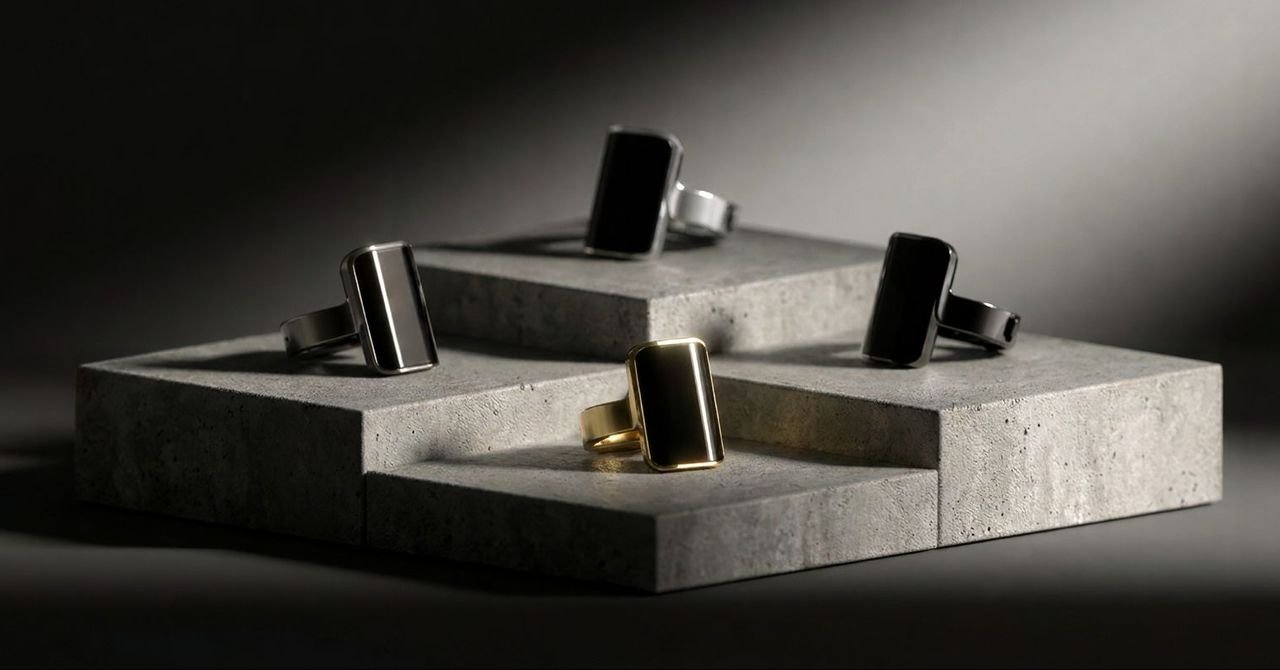
Aina Ring Launches to Tackle AI Agent Bottlenecks
Apoorv Shankar, former hardware lead at Ultrahuman, has officially entered the wearable market with the Aina Ring. Designed to solve the friction of constant smartphone interaction, the device acts as a dedicated remote control for AI agents. By allowing users to approve or reject tasks with a simple gesture, the Aina Ring aims to eliminate the bottleneck of pulling out a phone for every notification.
Aina Ring: Hardware Design and Contextual Control
The Aina Ring features a minimalist titanium chassis equipped with a small display and a physical joystick. This tactile interface is the result of 15 months of development, following experimental efforts like the ‘Dune’ controller showcased at CES 2026. While previous iterations focused on desktop shortcuts, the current design shifts toward mobile-first agent management. By processing data from your calendar, email, and location, the device identifies high-probability actions, such as confirming a daily ride-share or managing media playback.
Aina Ring: Market Positioning and Competitive Landscape
The wearable space is currently crowded with fitness-centric devices from established players like Oura and the previously mentioned Ultrahuman. However, the Aina Ring differentiates itself by focusing on interaction rather than just biometrics. Unlike Oura, which prioritizes health metrics, this device functions as a hardware bridge for software agents. The integration of a Context Aware Operating System allows users to build custom ‘Cues’ using natural language, providing a level of personalization that standard smartwatches often lack.
Pricing and Future Availability
Preorders for the device are now open, with a limited-time introductory price of $399. According to company announcements, the retail price will increase to $499 when shipping commences in January 2027. Early adopters are effectively paying for a niche, high-end interface that attempts to redefine how we interact with automated digital assistants. For those tired of screen fatigue, the Aina Ring represents a bold attempt to push the interface into the background.
The Bottom Line for Early Adopters
Whether the Aina Ring can truly replace smartphone interaction for routine tasks depends largely on app support and the sophistication of the underlying AI agents. While the hardware design is compelling, the success of the platform will hinge on how seamlessly it integrates with third-party services like Uber and Spotify. If it can reliably handle daily approvals without significant latency, it may well become a standard accessory for power users.