
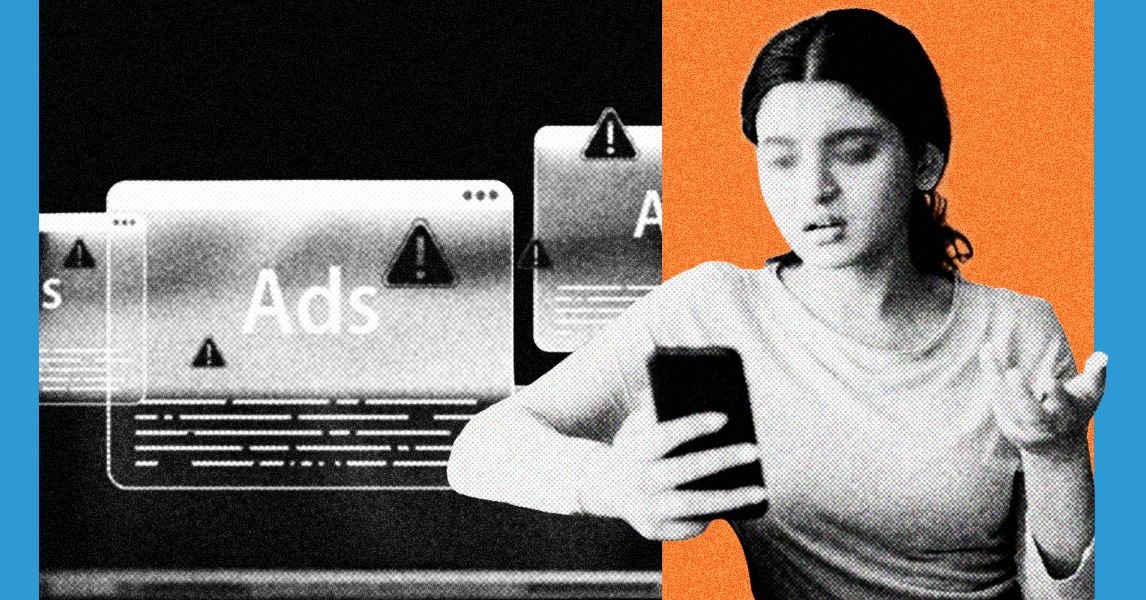
Ads in Chatbots Challenge the Ad-Free AI Promise
The landscape of artificial intelligence is shifting as ads in chatbots become a primary revenue stream for industry players. While Anthropic maintains a firm commitment to keeping its services ad-free, other giants are moving rapidly to integrate sponsored content. OpenAI has already onboarded over 100,000 customers for its advertising program, while Google continues to expand its AI Mode search experience globally.
The Economic Reality of Ads in Chatbots
Running large language models requires massive computing power, making ads in chatbots a potential necessity for long-term survival. Startups like Koah Labs are currently facilitating this transition by helping brands inject relevant marketing into AI-driven conversations. By working with apps like DeepAI and Liner, these ad-tech firms are attempting to bridge the gap between user queries and commercial intent.
Why Advertisers are Betting on AI
Industry data suggests that ads in chatbots perform best when they are partially generated by AI. According to Koah Labs CEO Nic Baird, these messages feel more natural and native to the platform, often generating double the clicks of traditional human-written copy. However, the balance remains delicate. If advertisements feel like intrusive clutter, users are likely to abandon the platform entirely.
The Challenge of Maintaining Human Oversight
Despite the success of automated copy, risk-averse brands like pharmaceutical companies still demand strict human control over their messaging. This requirement often leads to lower engagement, as these ads struggle to match the context-aware nature of AI-generated content. For ads in chatbots to succeed, tech firms must find a middle ground that satisfies both government regulations and user expectations for creative, helpful information.
The Bottom Line for Future AI Experiences
As ads in chatbots become standard, the user experience will increasingly be shaped by the model’s ability to provide relevant, non-intrusive recommendations. Unlike traditional search engines, chatbots can leverage the entire context of a conversation to deliver highly specific ads, such as recommending spa services following a user’s inquiry about stress. While this offers immense potential for advertisers, the industry must ensure that commercial interests do not compromise the integrity of AI-generated answers.
For full official background and direct documentation, read the source coverage on wired Reporting.