
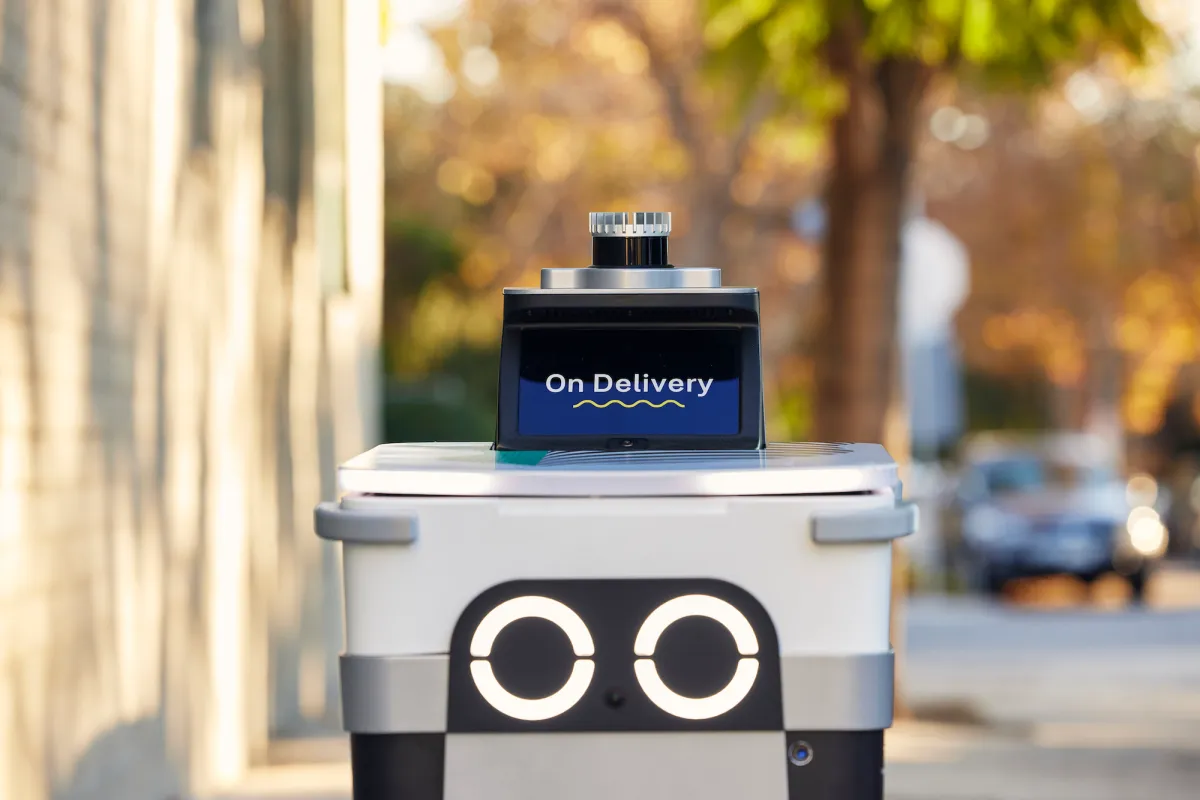
Serve Robotics Launches Services to Power Robot Fleets
Serve Robotics has officially announced a strategic shift in its business model, moving beyond its familiar sidewalk delivery operations to become a technology provider for the broader robotics industry. By launching a new division called Physical AI Services, the company aims to supply essential connectivity and data infrastructure to other firms.
Serve Robotics: Building the AWS for Autonomous Systems
The move by Serve Robotics echoes the historical trajectory of Amazon Web Services, where a company monetizes the internal infrastructure it built for its own survival. CEO Ali Kashani noted that because the company already operates a fleet of autonomous units, it has developed unique solutions for navigating complex human environments. By offering these tools to third parties, Serve Robotics hopes to accelerate the development of robots in sectors like construction, agriculture, and warehousing.
The suite of services includes three primary offerings designed to solve common industry bottlenecks:
- Serve Link: Provides high-performance connectivity to manage unreliable networks while maintaining data links to centralized AI systems.
- Data Curator: A specialized tool that isolates critical edge cases from massive datasets, enabling faster model training.
- Foundation Model Catalog: A library of real-world data derived from sidewalk operations that helps robots better understand human environments.
Strategic Partnerships and Market Growth
While Serve Robotics continues to operate its fleet of delivery units for partners like DoorDash and Wonder, the new business line targets a different customer base. Startups like Bedrock Robotics, which focuses on automated construction equipment, are already utilizing these services. Furthermore, the company is collaborating with T-Mobile to optimize edge computing, bringing AI processing power closer to the machines themselves to reduce latency.
This shift represents a significant pivot for the company, which spun out of Uber in 2021 and went public earlier this year. By decoupling its software and connectivity stack from its physical hardware, Serve Robotics is positioning itself as a foundational layer in the robotics ecosystem. This move allows the firm to generate revenue from the broader industry’s growth rather than relying solely on the expansion of its own delivery fleet.
What This Means for the Robotics Sector
For developers struggling with the “last mile” of AI integration—specifically the challenge of unreliable connectivity and the difficulty of acquiring high-quality training data—this offering could be a significant accelerator. Instead of building infrastructure from scratch, companies can now leverage the battle-tested systems that Serve Robotics has refined through thousands of hours of real-world operation. As the industry moves toward more autonomous applications in uncontrolled environments, the demand for such specialized, high-performance connectivity tools will likely increase, cementing the company’s new role as a core industry supplier.
For full official background and direct documentation, read the source coverage on techcrunch Reporting.