
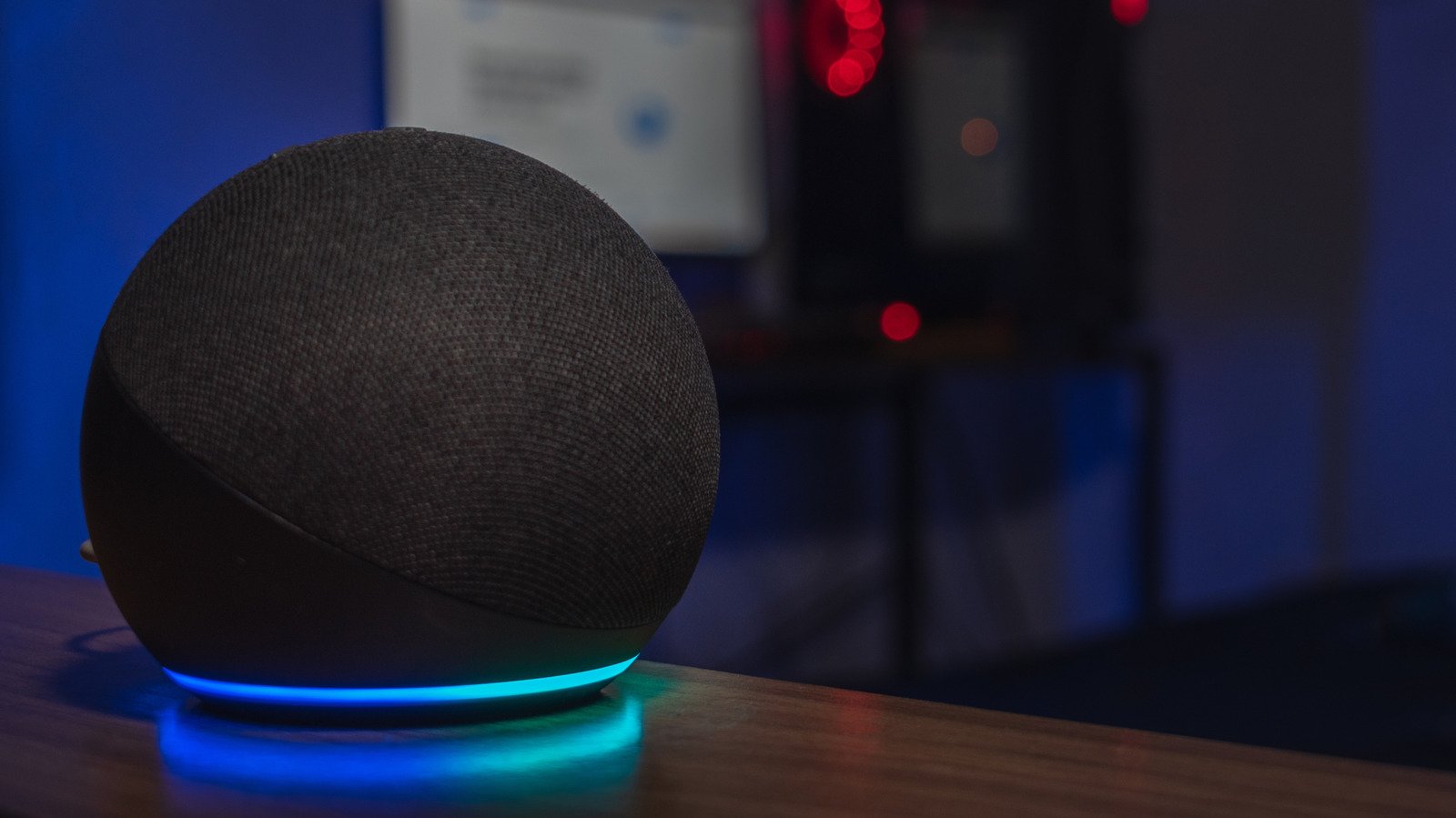
Amazon Silently Depreciates Alexa AUX Input Voice Controls
Amazon has officially disabled voice commands for the Alexa AUX input on several legacy Echo smart speakers. Customers who relied on simple spoken phrases like ‘Alexa, play from line in’ are finding their daily audio routines abruptly broken. Although the hardware remains functional, the software convenience that tied physical wired accessories to voice automation has been completely removed across multiple popular speaker generations.
The affected hardware includes the second-generation Echo Plus from 2018, the third-generation Echo from 2019, the original Echo Studio, and the fourth-generation Echo released in 2020. While Amazon confirmed the update to industry outlets, representatives declined to explain why these specific voice capabilities were stripped away. For households depending on these smart speakers to bridge vintage stereo equipment with modern voice ecosystems, the change introduces an unexpected friction point.
Alexa Aux Input: How to Manually Configure Line In Audio via the App
Fortunately, the physical 3.5mm audio jack has not been entirely abandoned. The hardware connection continues to route external signals, but users must now bypass voice automation entirely. Instead of speaking a command into the room, owners have to open the companion mobile app to manage playback settings manually.
- Open the official mobile application on your smartphone.
- Navigate to the Devices tab and select your compatible smart speaker.
- Locate AUX Audio or Line In settings under the device configuration menu.
- Manually toggle the input mode to start routing external audio.
Because the automation backend was altered, playback must now be managed directly from the source device itself. Whether you are piping music from an older portable CD player or an aging laptop, track skipping and volume adjustments require physical interaction with the source hardware.
The Value of Keeping Legacy Smart Speakers Alive
In terms of Alexa Aux Input, Retaining physical ports on smart home hardware has always been a major selling point for audiophiles attempting to modernize legacy gear without spending a fortune. For instance, connecting an early-2000s CD changer to an original Echo Studio via a standard RCA-to-3.5mm cable lets users enjoy physical media through a connected speaker setup. Industry reporting confirms that while software support degrades, these physical pathways remain reliable alternatives to costly Bluetooth adapters.
That said, this unexpected software limitation highlights the fragility of relying on cloud-connected ecosystems for auxiliary hardware tasks. Manufacturers routinely deprecate software features to push consumers toward newer device upgrades, even when the underlying silicon is perfectly capable of handling the workload. Consumers who cherish physical auxiliary connections must now weigh whether losing voice automation outweighs the cost of replacing legacy gear.
What This Means for Smart Home Owners
In terms of Alexa Aux Input, Ultimately, you do not need to throw away your older Echo hardware just because voice commands no longer bridge physical cables. The physical 3.5mm connection remains entirely intact for external sources and line-out configurations. However, the downgrade serves as a stark reminder that smart home accessories are subject to remote software alterations long after the box has been opened. Moving forward, buyers invested in wired audio integrations should keep manual app navigation in mind as manufacturers continue streamlining their software ecosystems.