
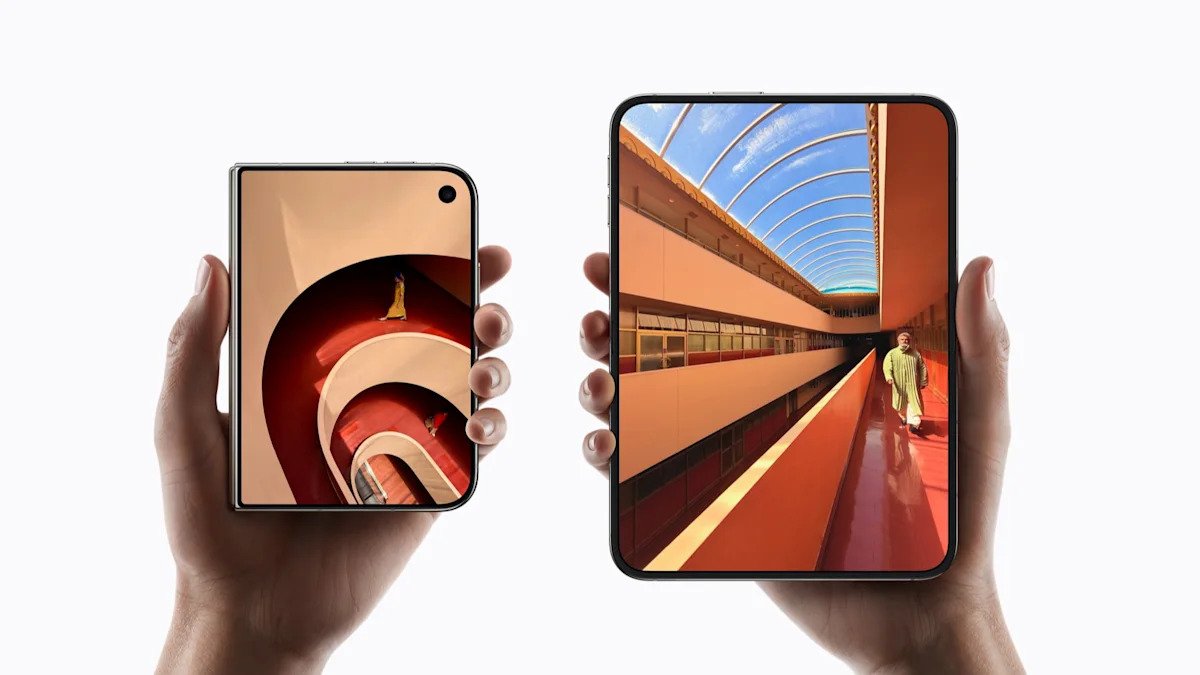
Entering the Foldable Space With the iPhone Duo
Apple finally enters the foldable market with the launch of the iPhone Duo, a device that commands an eye-watering $2,000 price tag. While the cost is undeniably steep, early adopters are rushing to pre-order this hardware. Many users have waited years for a foldable that integrates seamlessly with the iOS ecosystem. The iPhone Duo represents a significant shift in strategy for the company, focusing on premium build quality over sheer speed of market entry.
Previously, users interested in foldables were forced to choose Android alternatives. While those devices offered experimental features, they often lacked the polish that loyal customers expect. Specifically, the software experience on many Android foldables felt unoptimized, with apps failing to scale correctly on larger displays. The iPhone Duo aims to solve this by leveraging the robust development tools introduced in iOS 27. Developers are already updating popular apps like Netflix to ensure they look perfect on the expansive inner screen.
Refining the Ecosystem and Hardware Experience
Beyond screen real estate, the primary driver for this purchase is the seamless ecosystem integration. Users rely heavily on iCloud, iMessage, and Handoff to maintain productivity across their devices. Switching to a non-Apple foldable often meant sacrificing these essential features. Consequently, the iPhone Duo allows users to maintain their digital workflow without compromise.
Furthermore, the device introduces innovative hardware features, such as a specialized nano-texture layer on the inner display. This unique layer is designed to minimize glare and reduce the visibility of the hinge crease, which has been a major pain point for competitors. While some critics worry about potential durability concerns, Apple has structured its build quality around longevity.
Comparing Foldable Market Options
Consumers weighing the financial investment of a foldable device must analyze how Apple’s hardware compares against existing market standards. The following table breaks down key differences between traditional Android foldables and the newly launched iPhone Duo approach.
| Feature / Metric | Traditional Android Foldables | Apple iPhone Duo |
|---|---|---|
| Price Point | Varies ($1,400 to $1,900) | $2,000 |
| Ecosystem Integration | Fragmented services and third-party apps | Native iOS 27, iCloud, iMessage, and Handoff |
| Software Scaling | Often unoptimized; erratic app resizing | Optimized via advanced iOS development tools |
| Display Technology | Standard ultra-thin glass with visible creases | Nano-texture layer to minimize glare and hinge crease |
Evaluating the Trade-Offs of a Two-Thousand-Dollar Phone
Investing in first-generation hardware always carries specific financial and functional risks. Buyers must carefully balance the desire for advanced form factors against practical limitations. Here is a breakdown of the primary considerations when purchasing the new device:
- Build Quality: Premium materials and the nano-texture layer offer superior glare reduction and structural rigidity.
- Cost Barrier: At $2,000, the high market price point excludes casual upgraders and targets dedicated enthusiasts or enterprise users.
- Software Continuity: Native support for iOS tools ensures productivity applications scale correctly without awkward letterboxing.
- Ecosystem Lock-In: Current Apple users retain all cloud services, messaging protocols, and cross-device continuity functions.
Frequently Asked Questions
Why is the iPhone Duo priced at $2,000?
The device commands a high market price point due to its advanced foldable engineering, premium build quality, specialized nano-texture display layers, and research costs associated with bringing a refined foldable product to the iOS ecosystem.
How do apps handle the expansive inner screen on the iPhone Duo?
Developers are leveraging robust tools introduced in iOS 27 to update applications like Netflix, ensuring they scale correctly and utilize the larger display real estate without layout errors.
Can users maintain their existing Apple workflow when switching?
Yes. The iPhone Duo allows users to keep using essential ecosystem features like iCloud, iMessage, and Handoff without needing to sacrifice their productivity workflows.
Making Your Purchasing Decision
Deciding whether to buy the iPhone Duo requires assessing your tolerance for premium pricing and your reliance on the Apple ecosystem. If you have waited for a foldable device that avoids the software scaling issues of past Android alternatives, this hardware provides a polished solution. Review your budget, check your compatibility with iOS 27 developer updates, and determine if the investment aligns with your daily computing needs.