
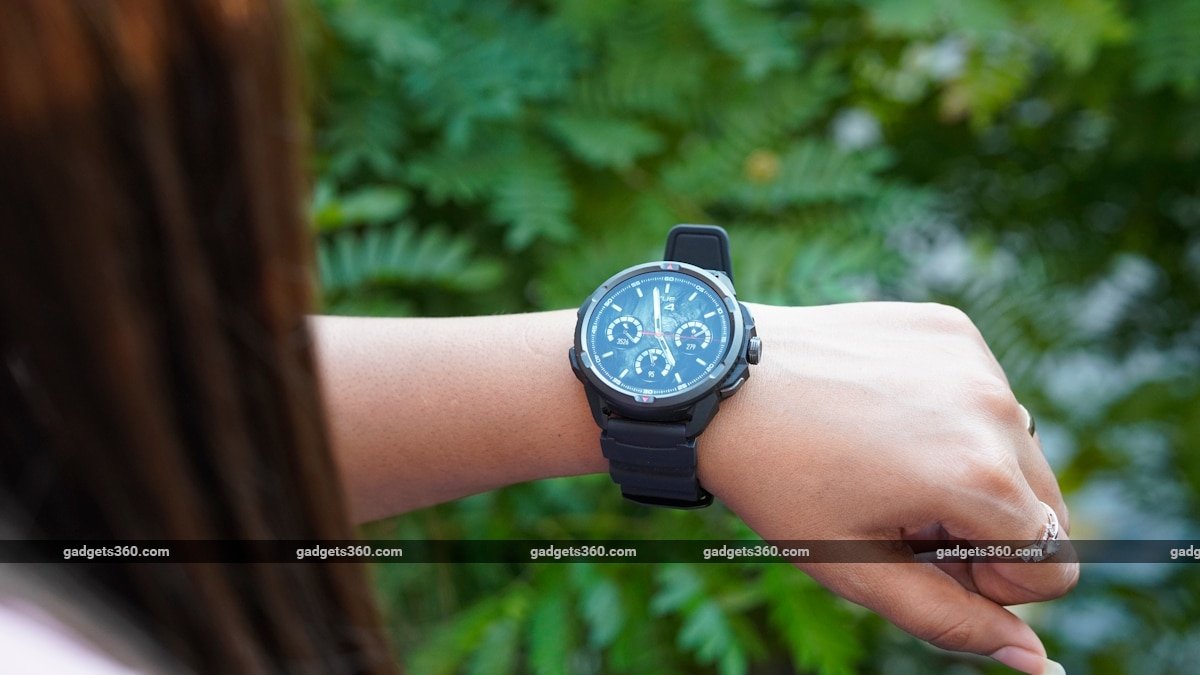
Technical Specifications and Architectural Breakdown
The transition of GPS technology into the entry-level segment is largely driven by advancements in low-power System-on-Chip (SoC) architectures. Historically, continuous GPS polling was a significant drain on battery life, necessitating large, bulky batteries that were incompatible with the slim profiles of budget devices. Modern chipsets, however, now feature dedicated low-power GNSS (Global Navigation Satellite System) receivers that provide high-frequency position updates while maintaining power efficiency.
Engineering precision in these devices has reached a point where dual-band technology—previously reserved for flagship devices—is becoming a standard expectation. By utilizing both L1 and L5 frequency bands, newer budget devices can mitigate the “urban canyon” effect, where signal reflection off tall buildings causes significant data drift. For example, the integration of five-satellite systems (GPS, GLONASS, Galileo, BeiDou, and QZSS) allows for faster time-to-first-fix and improved reliability under dense tree cover. This technical leap ensures that pace, distance, and elevation metrics remain accurate enough for amateur athletes training for specific performance benchmarks. Furthermore, the inclusion of 5 ATM water resistance ratings across these platforms ensures that the internal sensors are adequately protected against environmental ingress, maintaining the integrity of the barometer and altimeter components essential for accurate elevation tracking.
Industry Landscape and Competitive Comparison
The competitive landscape has shifted away from a “race to the bottom” in pricing toward a “race to the most features.” Consumers are increasingly discerning, looking past marketing fluff like pixel density and focusing on sensor reliability and software ecosystem stability. The following table highlights how current entry-level GPS-enabled wearables compare to earlier iterations that lacked independent tracking capabilities.
| Feature | Legacy Budget Wearable | Modern Budget GPS Smartwatch | Premium Multisport Watch |
|---|---|---|---|
| Satellite Tracking | Connected (Phone Required) | Independent (GNSS) | Independent (Multi-Band) |
| Water Resistance | IP68 (Splash Proof) | 5 ATM (Swim Ready) | 10 ATM (Dive Rated) |
| Battery (GPS Mode) | N/A | 12-20 Hours | 40+ Hours |
| Sensor Suite | Heart Rate Only | HR + SpO2 + Barometer | HR + SpO2 + Baro + ECG |
While premium devices continue to offer superior battery life and advanced mapping capabilities, the gap in core tracking accuracy has narrowed significantly. For the vast majority of recreational users, the current generation of budget watches provides data that is statistically indistinguishable from their more expensive counterparts during standard outdoor activities.
Practical Consumer & Enterprise Takeaways
For the average consumer, the decision to upgrade is no longer about whether they can afford a “smart” watch, but whether their current device serves their specific fitness requirements. Users who engage in outdoor activities at least three times per week will see immediate value in the switch to a dedicated GPS device. The ability to leave a smartphone behind reduces weight and distraction, facilitating a more focused training environment.
From an enterprise perspective, the proliferation of these devices offers a unique opportunity for corporate wellness programs. Companies can now equip employees with reliable health-tracking hardware at a fraction of the cost previously required. This enables the collection of granular, anonymized data that can incentivize healthy behaviors. However, buyers should remain cautious of “data silos.” Before committing to a specific ecosystem, users must verify that the device’s proprietary app can sync with universal health platforms like Strava, Apple Health, or Google Fit. A watch is only as useful as the data it produces, and if that data is trapped in a closed, non-compatible ecosystem, its long-term utility is severely limited.
Frequently Asked Questions
Does independent GPS tracking significantly reduce the battery life of budget smartwatches?
Yes, GPS is the most power-intensive sensor in any wearable. While modern chipsets are more efficient, users should expect a significant drop in battery longevity when tracking outdoor activities. Most budget devices will survive a three-hour run, but users should plan to charge their device daily if they utilize GPS for more than two hours per day.
Is the accuracy of a budget GPS watch comparable to a dedicated running watch?
For standard outdoor running and cycling, the accuracy is comparable. The primary difference lies in the software algorithms used to “smooth” the data and the frequency of satellite polling. While high-end devices offer more robust data analysis, budget watches provide sufficient precision for amateur training and general fitness tracking.
Are these watches suitable for open-water swimming?
Most budget smartwatches with 5 ATM water resistance are suitable for pool swimming and showering. However, tracking GPS while swimming is technically challenging because the signal cannot penetrate water. Users should check if the watch specifically includes an “Open Water Swimming” mode, which uses specialized algorithms to estimate distance based on stroke count rather than satellite locks.
The Bottom Line
The market for budget smartwatches with GPS has reached a state of operational maturity. By prioritizing core functionalities—accurate satellite positioning, durable water resistance, and efficient sensor integration—manufacturers have successfully eliminated the necessity of the “premium tax” for recreational athletes. While these devices may lack the ruggedized build quality or the extensive third-party app support of high-end enterprise-grade wearables, they provide the essential metrics required for 90% of the population. For those seeking to track their progress without the burden of carrying a smartphone, the current crop of affordable GPS wearables represents the most pragmatic and high-value investment in the modern personal technology space.