
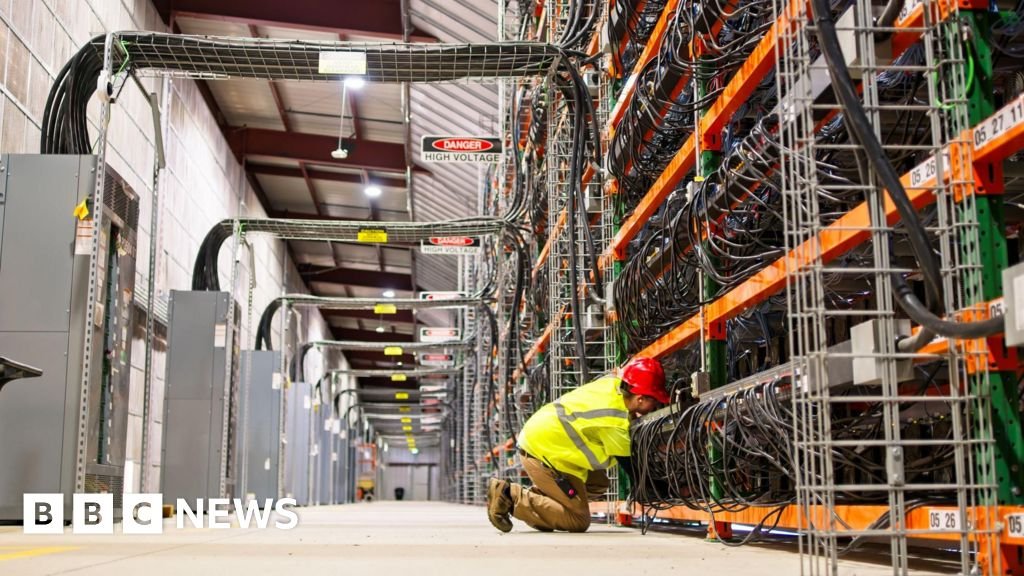
Digital Reef Faces Backlash Over Massive Data Centre Plan
Plans for a massive data centre campus in North Ockendon have triggered intense opposition from local residents and environmental advocates. Developers Digital Reef propose building one of the largest facilities in Europe on protected green belt land, arguing the project will boost local employment and set new sustainability standards. However, the community fears the project will irreversibly damage the rural landscape and disrupt their daily lives.
Massive Data Centre: The Growing Cost of Our Digital Appetite
Modern reliance on cloud services and artificial intelligence has led to an explosion in demand for processing power. According to construction researchers at Barbour ABI, the UK is expected to see approximately 100 new facilities added to its current fleet of 477. This massive data centre expansion is concentrated heavily in London and the South East, raising urgent questions about grid capacity. A report for the Greater London Authority notes that energy constraints are now the single most critical challenge for growth, with connection timelines for new projects stretching up to 13 years in some regions.
Massive Data Centre: Environmental Concerns and Local Impact
Residents like Danny Leach warn that the proposed construction phase could last up to 20 years, bringing constant noise and thousands of daily vehicle movements. Beyond construction, the operational footprint of a massive data centre is significant. These sites require vast amounts of electricity and water for cooling. Industry data indicates that a single 100MW hyperscale site can consume up to 2.5 billion litres of water annually—roughly the same usage as 80,000 people. For locals in North Ockendon, the promise of sustainable technology does little to mitigate the immediate threat to their rural surroundings.
Democratic Deficits in Planning
Critics also point to a lack of transparency in the development process. Ian Pirie, representing the local chapter of Friends of the Earth, has described the consultations as undemocratic. While developers maintain that the project will be the most sustainable in the world, the community remains unconvinced. As the UK attempts to balance its digital ambitions with land preservation, the North Ockendon case serves as a flashpoint for the wider debate over where we house our digital infrastructure. Whether this massive data centre proceeds will depend on how regulators weigh economic growth against the preservation of green belt land.
The Bottom Line on Infrastructure Growth
The tension surrounding this project highlights a fundamental conflict in modern urban planning. Key takeaways include:
- Energy grid limitations are slowing down project timelines across London.
- Water consumption remains a primary concern for local ecosystems.
- Community opposition often centers on the loss of rural character and construction noise.
Ultimately, the push for a massive data centre in North Ockendon illustrates that while we all require data, the physical cost of hosting that information is becoming a major point of contention for communities across the country.
For full official background and direct documentation, read the source coverage on Bbc.com Reporting.