
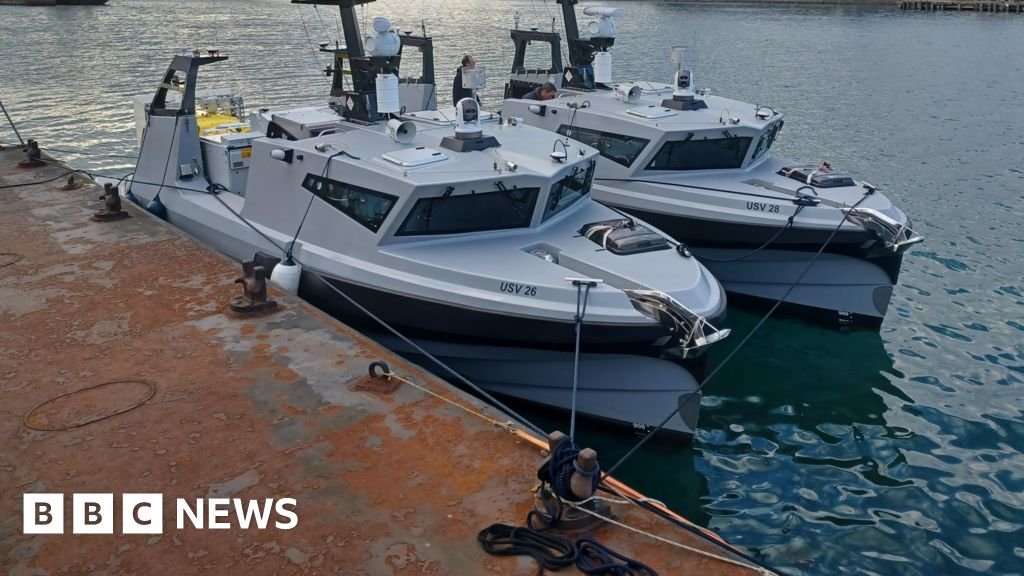
Autonomous mine-hunting systems patrol the Strait of Hormuz
The Strait of Hormuz remains one of the most volatile maritime corridors on the planet, where merchant vessels face constant threats from aerial drones and lethal sub-surface explosives. To mitigate these risks, the US Navy is increasingly relying on autonomous mine-hunting systems. These sophisticated platforms allow naval forces to clear sea lanes while keeping human personnel safely out of the immediate danger zone.
How autonomous mine-hunting systems change naval safety
Traditional mine-hunting requires large vessels staffed by approximately 80 crew members, making every mission a high-stakes calculation for commanders. Former merchant navy officer Steve Cameron notes that captains often face impossible choices when navigating these waters due to the presence of acoustic and magnetic mines. By utilizing autonomous mine-hunting systems, the military can shift operations to remote monitoring stations, requiring as few as 20 personnel operating from the shore.
This shift addresses significant recruitment challenges facing NATO navies today. By deploying modular, portable robotics, the military ensures that maritime security can be maintained without placing sailors in the crosshairs of regional conflicts. These systems have evolved significantly since the early days of the Iraq War, where units like the Remus 100 first demonstrated the utility of underwater robotics in seabed surveillance.
Testing autonomous mine-hunting systems in live conflict
The current tensions in the Gulf have provided a unique, albeit high-stakes, environment for testing these devices. While the Pentagon remains tight-lipped regarding specific capabilities, the presence of autonomous mine-hunting systems has been confirmed through various incidents, including the recovery of an uncrewed underwater vehicle by Iranian forces. Analysts like William Lupton suggest that the capture of such hardware is a minor setback compared to the loss of human life, as these units are designed to be expendable.
- Reduced manpower requirements from 80 sailors to 20 shore-based staff.
- Remote capabilities allow for secure data wiping if capture is imminent.
- High efficiency in scanning seabed depths for acoustic and magnetic triggers.
- Modular design enables rapid deployment across different maritime theaters.
The strategic advantage of autonomous mine-hunting systems lies in their ability to operate in shallow, hazardous waters where larger ships cannot safely venture. As naval architects at firms like Thales continue to refine these machines, the reliance on human divers for high-risk detection missions will likely continue to decline. Integrating autonomous mine-hunting systems into standard patrol protocols represents a definitive shift toward tech-forward naval warfare.
The future of autonomous mine-hunting systems at sea
What this means for the global shipping industry is a potential increase in safety for merchant fleets. If these robots can reliably verify that minefields are absent, the insurance premiums and operational risks that currently plague the Strait of Hormuz could stabilize. Ultimately, the successful implementation of autonomous mine-hunting systems hinges on their ability to perform consistently in harsh, unpredictable underwater environments while maintaining secure communication links with their human operators.
For full official background and direct documentation, read the source coverage on Bbc.com Reporting.