
Figma Unveils Figma AI Agents to Regulate Design Output
Design platform leader Figma recently introduced new features centered on Figma AI Agents during its inaugural Config event in India. The company aims to provide a structured definition for both internal and third-party agents, ensuring they adhere strictly to brand design rules during the creation process. By implementing these new tools, teams can now maintain better control over the non-deterministic nature of generative AI.
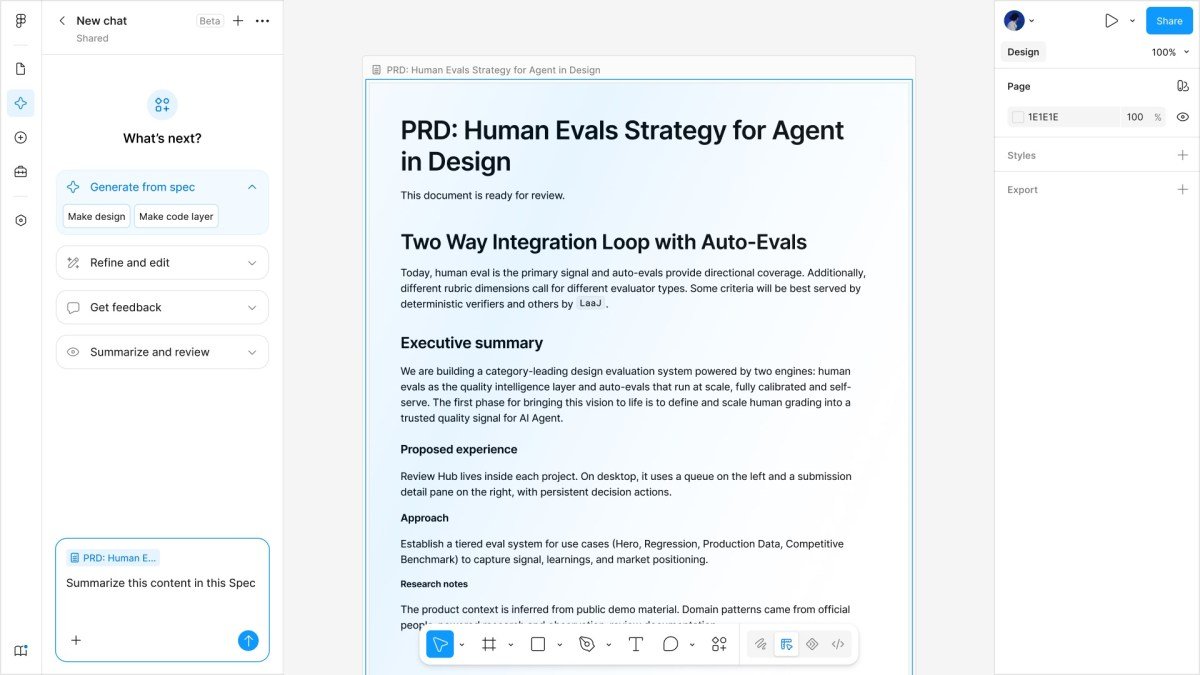
Specifically, the platform debuted a feature known as Figma Specs. This markdown-based editor allows users to define their design language clearly. Consequently, this document serves as a reliable reference point for both human teams and Figma AI Agents while working within the canvas. Users can embed code layers, design systems, and FigJam diagrams directly into these files to keep context centralized.
Standardizing Workflows with Figma AI Agents
Furthermore, the company is expanding the utility of its platform by integrating Payload, a headless content management system acquired last year. This integration allows for more dynamic website generation and content management. Additionally, the company is making its code layers feature available in public beta. This function enables users to interact with prototypes using code, allowing Figma AI Agents to transform static designs into functional code snippets or iterate on existing prototypes based on user prompts.
Ultimately, Figma is positioning itself as the primary hub for software teams to build and ship products. Chief design officer Loredana Crisan noted that while code production has increased seventeen-fold, actual product releases have not kept pace. Many developers use code simply to discover product requirements rather than to ship final software. By using Figma AI Agents, the company hopes to bridge this gap between design discovery and final implementation.
Expanding Ecosystem Support
Moreover, the company is fostering a broader ecosystem by supporting over 20 new tools through its Model Context Protocol (MCP). This includes integrations with Open Code, Dia, Grok Bot, and the Indian startup Sarvam. These partnerships ensure that the design environment remains flexible yet governed by strict brand guidelines. As a result, developers can experiment with new tools without sacrificing design integrity.
Finally, the company’s focus on the Indian market is significant, as it now represents the largest user base outside the United States. With new sales and product support teams in place, Figma is scaling its operations to meet global demand. By refining how Figma AI Agents function, the company is setting a new standard for how software teams collaborate on digital products. You can read more about these updates on the official Figma blog.
Figma AI Agents Market Impact and Industry Significance
The introduction of Figma AI Agents represents a pivotal shift in modern technological adoption across enterprise and consumer sectors alike. Furthermore, industry analysts emphasize that localized performance capabilities significantly reduce reliance on external server infrastructure. Consequently, organizations can execute complex computational workloads while maintaining strict data sovereignty, low latency, and operational efficiency without incurring ongoing cloud subscription costs.
Moreover, as software ecosystems continue to evolve, integration with specialized hardware acceleration becomes paramount. Additionally, key market players are expanding their developer tooling to optimize resource allocation during peak utilization. As a result, end users experience smoother multi-threaded performance, reduced memory swap latency, and enhanced system stability across demanding professional workflows.