
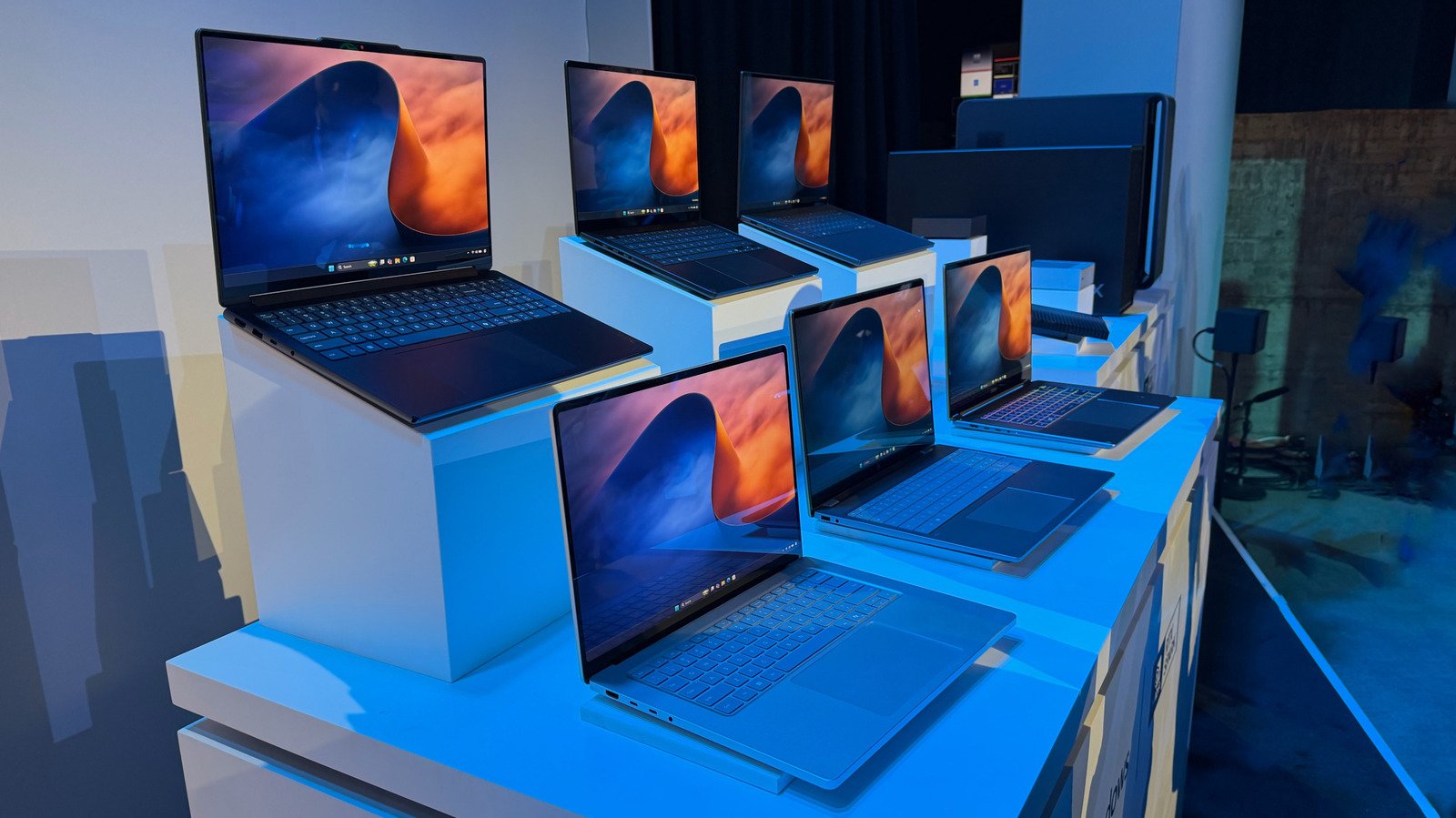
Nvidia Outpaces Intel With New RTX Spark Laptop Chip
The PC industry is witnessing a significant shift as RTX Spark emerges as a direct competitor to Apple Silicon. Microsoft and Nvidia recently showcased this new system-on-a-chip, which promises to redefine the Windows laptop landscape by integrating Blackwell GPU technology with powerful Arm cores. This development marks a pivotal moment for users who have long awaited a more efficient, unified architecture on their machines. By combining high-speed memory with advanced processing cores, the platform aims to handle complex AI tasks and demanding creative workflows with ease.
Ultimately, this move forces a confrontation with the status quo established by Apple years ago. While previous Windows-on-Arm attempts struggled to gain traction, the RTX Spark platform leverages a sophisticated design featuring up to 20 Grace Arm CPU cores. Furthermore, it incorporates 128GB of ultra-fast unified memory, ensuring that performance does not plateau during multitasking. Industry analysts suggest that this hardware could finally provide the seamless experience that Windows power users have craved.
Understanding the Efficiency of RTX Spark
Beyond the raw specifications, the efficiency of the RTX Spark is perhaps its most compelling feature. Nvidia claims the chip achieves double the efficiency of current high-end dedicated systems, such as those running the Intel Core Ultra 9 285H combined with an RTX 5070. Consequently, users can expect substantial gains in battery life without sacrificing the graphical fidelity required for modern gaming or video editing. The inclusion of fifth-gen tensor cores and a dedicated Blackwell video engine further cements its status as a versatile powerhouse for content creators.
Specifically, the chip supports advanced AV1 encoding and decoding, which simplifies complex media tasks. Although some critics argue that dedicated GPUs still hold an edge in absolute peak performance when tethered to a wall outlet, the portability of these new machines is undeniable. For professionals who travel frequently, the RTX Spark offers a balanced profile that rivals traditional workstation laptops. You can find more technical details on Nvidia’s official portal regarding these new advancements.
The Future of RTX Spark in Consumer PCs
Looking ahead, the integration of local AI agents remains a primary goal for both Microsoft and Nvidia. Even if those AI features take time to mature, the underlying hardware architecture represents a major step forward for laptop design. Moreover, the shift toward unified memory configurations suggests that the industry is moving away from fragmented, power-hungry components. As a result, the RTX Spark could set a new standard for how we perceive high-performance computing on the go. Whether or not it fully displaces dedicated GPU setups remains to be seen, but the competition is undoubtedly heating up for the future of mobile computing.
Rtx Spark Market Impact and Industry Significance
The introduction of Rtx Spark represents a pivotal shift in modern technological adoption across enterprise and consumer sectors alike. Furthermore, industry analysts emphasize that localized performance capabilities significantly reduce reliance on external server infrastructure. Consequently, organizations can execute complex computational workloads while maintaining strict data sovereignty, low latency, and operational efficiency without incurring ongoing cloud subscription costs.
Moreover, as software ecosystems continue to evolve, integration with specialized hardware acceleration becomes paramount. Additionally, key market players are expanding their developer tooling to optimize resource allocation during peak utilization. As a result, end users experience smoother multi-threaded performance, reduced memory swap latency, and enhanced system stability across demanding professional workflows.