
For thirty-one years, the murder of Randy Gail Sperino in Madison County stood as a testament to the limitations of traditional forensic science. When the case went cold in 1993, investigators relied on the nascent CODIS (Combined DNA Index System) database, which required a direct hit—either the perpetrator’s profile already existed in the system or they had to be caught in the act. For decades, the evidence sat in a climate-controlled locker, effectively useless against a suspect who remained outside the reach of federal databases. That changed only when the Madison County Sheriff’s Office pivoted to the burgeoning field of genetic genealogy. By leveraging the same consumer-grade genomic data that millions of citizens use to trace their ancestry, investigators were able to bypass the limitations of state-run repositories, ultimately identifying 70-year-old Albert Buddy Zigler. This case marks a significant milestone in the integration of high-throughput sequencing and public data, proving that the digital breadcrumbs we leave behind are now the most potent tools in the detective’s arsenal.
Technical Specifications and Architectural Breakdown
The forensic workflow utilized in the Sperino case represents a departure from standard short tandem repeat (STR) analysis—the traditional method used in crime labs for decades. STR analysis examines specific, highly polymorphic regions of DNA to create a profile. However, if the DNA is degraded or the suspect is not in the system, STRs provide little utility. Investigative genetic genealogy, by contrast, utilizes single nucleotide polymorphisms (SNPs), which are variations at a single position in the DNA strand.
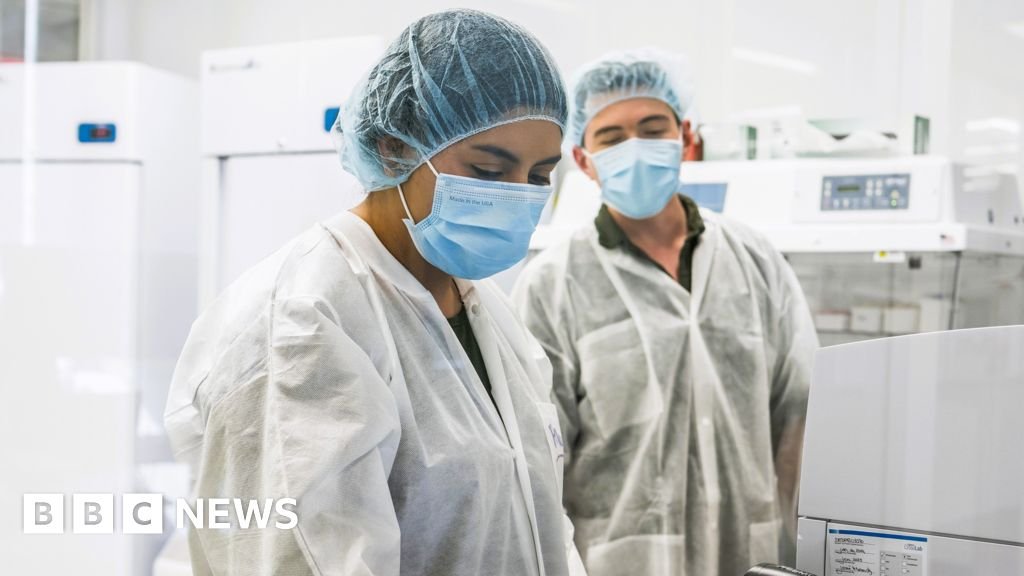
The process begins with the extraction of DNA from evidence that is often decades old, which frequently suffers from fragmentation or bacterial contamination. Specialized laboratories, such as Othram, utilize proprietary enrichment techniques to target hundreds of thousands of SNPs across the entire genome. This data is then formatted into a file compatible with consumer genealogy platforms. The “architecture” of this process relies on the Law of Large Numbers; by comparing the unknown sample against a vast, crowdsourced pool of voluntary participants, the software identifies shared segments of DNA. These segments indicate a common ancestor. Once a match is found—even a distant one, such as a second or third cousin—investigators apply traditional genealogical methods, cross-referencing public records, birth certificates, and obituaries to reconstruct the suspect’s family tree. The result is not a direct identification, but a highly accurate probabilistic map that narrows a pool of millions down to a single household.
Industry Landscape and Competitive Comparison
The forensic landscape has shifted from government-run silos to a hybrid model where private enterprises bridge the gap between public databases and law enforcement. While the FBI’s CODIS remains the gold standard for immediate, direct-match identification, its utility is limited to individuals with a prior criminal record. Genetic genealogy fills the void for cold cases where the perpetrator has never interacted with the justice system. The following table outlines the functional differences between these forensic modalities.
| Technology | Primary Mechanism | Database Scope | Best Use Case |
|---|---|---|---|
| CODIS (STR) | Short Tandem Repeat Analysis | Federal/State offender records | Direct identification of known offenders |
| Genetic Genealogy | SNP Microarray/Sequencing | Public consumer genealogy platforms | Cold cases, unidentified remains |
| Next-Gen Sequencing | Whole Genome Sequencing | Proprietary forensic databases | High-degradation, low-quantity samples |
Practical Consumer & Enterprise Takeaways
For the average consumer, the rise of genetic genealogy necessitates a shift in how we perceive personal biological data. When an individual uploads their DNA to a platform to discover their heritage, they are entering a data ecosystem that is increasingly accessible to law enforcement under specific legal conditions. Users should be aware that “opting out” of sharing data with third parties does not necessarily protect one’s genetic information from a subpoena or a warrant issued to the platform provider.
From an enterprise perspective, forensic labs are currently undergoing a massive upgrade cycle. The transition from legacy STR capillary electrophoresis to high-throughput SNP sequencing requires significant capital investment and a new tier of bioinformatic expertise. For law enforcement agencies, the cost-benefit analysis is clear: while genetic genealogy is expensive—often costing tens of thousands of dollars per case compared to the low cost of a standard CODIS run—the ability to close a decades-old homicide provides closure to victims’ families and clears aging caseloads that consume departmental resources for years. Agencies must now prioritize “forensic-grade” collection at crime scenes, as the potential for future genealogical analysis makes the preservation of even trace amounts of biological material a critical operational requirement.
Frequently Asked Questions
How does my personal DNA data end up in a police investigation?
Most often, this occurs when an investigator creates a profile from crime scene evidence and uploads it to a genealogy database. If a relative of the suspect has previously uploaded their DNA to that site, the software identifies the shared genetic markers. Police then use this “genetic lead” to build a family tree, eventually identifying the suspect through public records rather than the DNA test itself.
Are there laws protecting my genetic privacy from law enforcement?
Privacy protections vary by jurisdiction. While some states have introduced legislation to require a warrant for access to genealogy databases, federal law is currently catching up. Most major genealogy platforms have updated their terms of service to require a legal process before handing over data, but users should read the fine print regarding “law enforcement cooperation” policies.
Is genetic genealogy 100% accurate?
The genealogy process provides a lead, not a conviction. The DNA match identifies a family line, but investigators must then perform traditional detective work—surveillance, trash pulls, or voluntary DNA swabs—to confirm the suspect’s identity. The final evidence used in court is almost always a direct DNA sample collected from the suspect, which is then tested against the original crime scene evidence to ensure forensic certainty.
The Bottom Line
The successful resolution of the Sperino case highlights a fundamental shift in criminal justice. Genetic genealogy has transformed DNA from a static identifier into a dynamic map of human relationships. While the ethical implications regarding the secondary use of consumer genetic data remain a valid subject of public debate, the practical outcomes for cold case resolution are undeniable. For law enforcement, the technology is an essential tool for clearing the backlog of unsolved crimes. For the public, it serves as a reminder that in the digital age, our biological data is as much a part of our public footprint as our online history. As these databases grow and sequencing costs continue to decline, we should expect a surge in the resolution of long-dormant cases, fundamentally altering the statute of limitations on justice.