
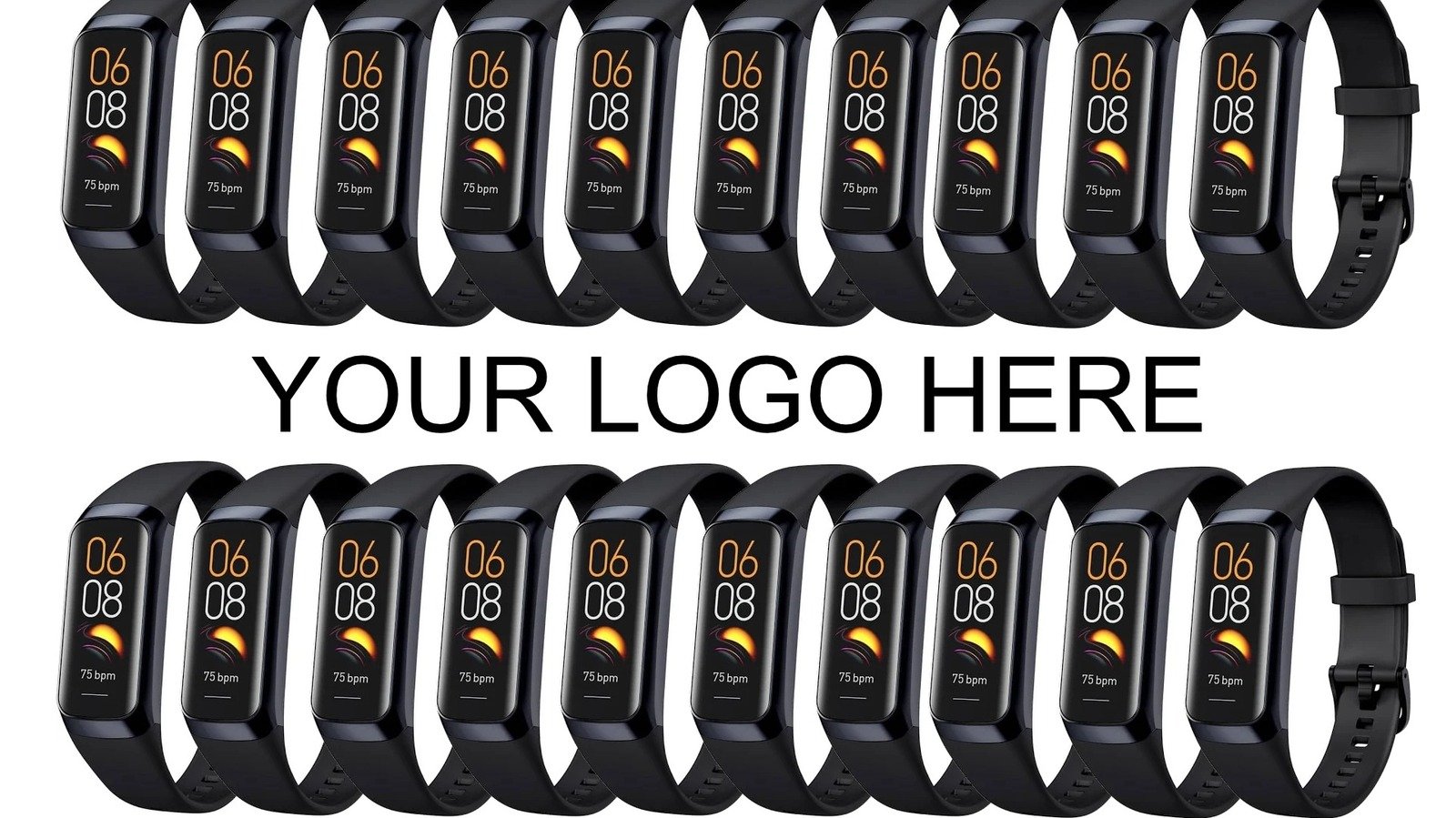
How White Label Gadgets Flood Major Online Retailers
Shoppers navigating online storefronts encounter thousands of white label gadgets pumped out by anonymous overseas factories and sold under various pseudonymous brands. Engadget reporters recently highlighted how identical devices arrive bearing completely different logos to deceive unsuspecting buyers. While legitimate original device manufacturers frequently build hardware for multiple brands, shady operators exploit this supply chain pipeline to push mediocre gear onto retail platforms like Amazon.
Instead of designing proprietary hardware from scratch, third-party sellers acquire generic units in bulk. They slap custom logos on the chassis and market the merchandise as distinct innovations. Because these companies rely on fast manufacturing turnarounds, quality control often takes a backseat to profit margins.
White Label Gadgets: Spotting Identical Hardware Across Multiple Brand Listings
Uncovering these rebranded items requires careful observation of product photos and specifications. In fact, camera reviewers recently discovered the exact same gimbal camera listed under three separate names: the Ordro UHD-M5, AgfaPhoto Realimove MC3X, and Minolta Showtime MN5KG100. Each listing features identical product imagery despite sporting entirely different brand identities. This phenomenon extends far beyond photography equipment into the burgeoning wearable technology sector.
In terms of White Label Gadgets, Consider the smart ring market, where numerous fitness wearables trace directly back to a single original design manufacturer named J-Style. Companies including Fittr, Qalo, and Insix purchase the exact same J-Style X1 ring, merely applying custom packaging and logo placement. Meanwhile, fitness brands utilize similar white label manufacturing paths to push generic fitness trackers without investing in independent engineering research.
- Check Multiple Retailers: Search product images across alternative shopping sites.
- Analyze Specifications: Identical battery capacities and dimensions often reveal shared origins.
- Inspect Brand History: Research whether the seller actually manufactures physical hardware.
- Verify Packaging Claims: Look out for generic instruction manuals and missing corporate background details.
Why Avoiding Low Effort Rebranded Hardware Matters
Buying unverified tech carries real financial and safety risks. Because zombie brands rarely invest in long-term customer support or firmware updates, consumers are left stranded when hardware fails. Furthermore, these products frequently bypass rigorous safety testing, leading to potential battery degradation and charging failures. Skipping AI-generated summaries in favor of authentic reviews from independent tech journalists and community forums remains the smartest defense against deceptive marketing tactics.
The bottom line is simple: major technology giants spend years building public trust, whereas opportunistic sellers of white label gadgets operate to maximize short-term profits. Before handing over your hard-earned cash, always check independent testing sites like Engadget to ensure you are paying for genuine engineering innovation rather than cheap factory surplus.