
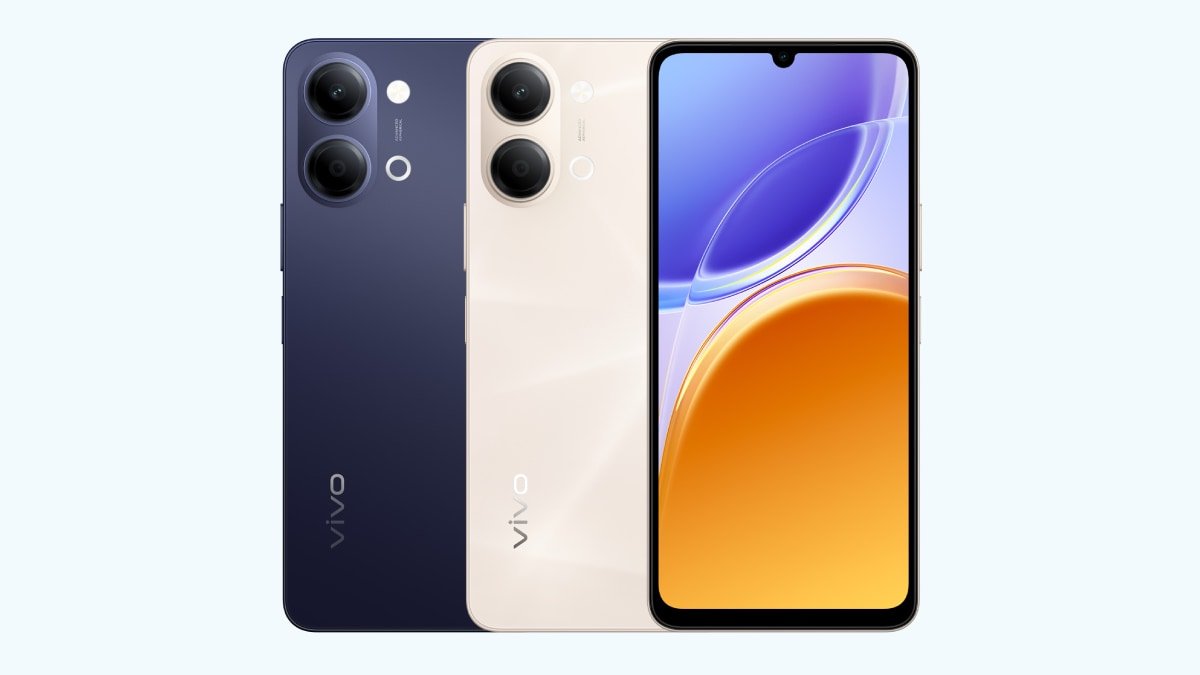
Technical Specifications and Architectural Breakdown
The technical architecture of the Vivo Y05s is defined by continuity. According to the data extracted from the Google Play Console, the device shares a foundational code number, V2556, with the incumbent Vivo Y05 4G. This shared lineage is a strong indicator that the internal hardware configuration will mirror its predecessor, prioritizing power efficiency over raw computational throughput. At the heart of the handset lies the T7225 chipset, a component optimized for basic utility, web browsing, and light social media consumption rather than intensive multitasking or high-fidelity gaming.
The memory architecture remains modest, featuring 4GB of LPDDR4X RAM. While this capacity is sufficient for a streamlined Android experience, users should anticipate limitations when running multiple background applications simultaneously. Storage is handled by 64GB of eMMC 5.1 flash memory. While eMMC 5.1 is standard for this price bracket, it lacks the high-speed data transfer capabilities of UFS (Universal Flash Storage) found in mid-range devices, meaning app load times and system updates may feel slower by comparison. However, the inclusion of expandable storage via a microSD card slot remains a critical feature, allowing users to mitigate the constraints of the base capacity. The display resolution, tethered to the constraints of the chipset, is expected to maintain a standard HD+ resolution, ensuring that power consumption remains within manageable limits for the integrated battery.
Industry Landscape and Competitive Comparison
Vivo’s strategy with the Y05s centers on the “reliable utility” model. In a market where consumers are increasingly sensitive to price, Vivo is betting that incremental updates to existing, proven platforms will yield better margins than investing in entirely new R&D cycles for the entry-level tier. This approach places the Y05s in direct competition with offerings from brands like Xiaomi’s Redmi and Samsung’s Galaxy A-series, which dominate the same price-sensitive demographic.
The following table outlines how the Vivo Y05s compares to its immediate predecessor and a primary market competitor in the entry-level space.
| Feature | Vivo Y05s (Projected) | Vivo Y05 4G | Competitive Alternative (Entry-Level) |
|---|---|---|---|
| Chipset | T7225 | T7225 | Helio G85 |
| RAM | 4GB LPDDR4X | 4GB LPDDR4X | 4GB / 6GB |
| Storage | 64GB eMMC 5.1 | 64GB eMMC 5.1 | 64GB / 128GB eMMC |
| OS | Android 14 | Android 13 | Android 13 / 14 |
The competitive landscape suggests that the Y05s will rely heavily on Vivo’s regional distribution networks and brand loyalty rather than superior hardware specifications. In many regions, the value proposition of such a device is not found in its benchmark scores, but in the availability of local support, repair infrastructure, and the maturity of the manufacturer’s software skin.
Practical Consumer & Enterprise Takeaways
For the average consumer, the Vivo Y05s is not a device intended for power users or those seeking to future-proof their technology. Instead, it serves as a functional tool for essential communication, digital banking, and media consumption. The upgrade path from a previous generation Y-series device is minimal; users should not expect a significant performance boost in daily tasks. The primary incentive for purchasing the Y05s would be the transition to a newer Android version or the need to replace a failing battery or damaged unit at a low price point.
From an enterprise perspective, devices like the Y05s are frequently deployed as fleet hardware for frontline workers, delivery logistics, or point-of-sale terminals where the primary requirements are GMS certification and basic connectivity. The reliance on the T7225 chipset suggests that the device will be stable, though IT managers should be aware of the limitations regarding long-term OS update cycles, which are historically shorter in this segment compared to premium-tier handsets.
Frequently Asked Questions
Is the Vivo Y05s suitable for mobile gaming?
The hardware configuration, centered on the T7225 chipset and 4GB of RAM, is not designed for modern, graphically intensive gaming. While it will handle casual, low-resource titles, users should expect significant frame drops and thermal throttling during sustained sessions of demanding applications.
Does the device support 5G connectivity?
Based on the technical documentation and its relationship to the Y05 4G, the Y05s is strictly a 4G LTE device. It is engineered for markets where 4G infrastructure is the primary mode of mobile communication and where 5G penetration is not yet a requirement for the target demographic.
How does the Y05s improve upon the Y05 4G?
The “s” suffix typically denotes a minor revision. In this instance, improvements are likely limited to minor software optimizations, potential refinements in the camera sensor processing, or slight adjustments to the chassis design. It is an iterative update rather than a generational leap.
The Bottom Line
The Vivo Y05s is a study in pragmatic manufacturing. By leveraging existing supply chains and proven hardware, Vivo is prioritizing consistency and cost-efficiency. While the device will not capture headlines for its performance or innovative features, its role in the ecosystem is clear: providing a reliable, entry-level gateway for consumers who prioritize functionality and brand reliability over high-end specifications. For those in the market for a budget-friendly handset, the Y05s represents a safe, albeit predictable, choice that fulfills the basic requirements of modern mobile connectivity.