
Sony ECM-W5 Enters Wireless Microphone Arena
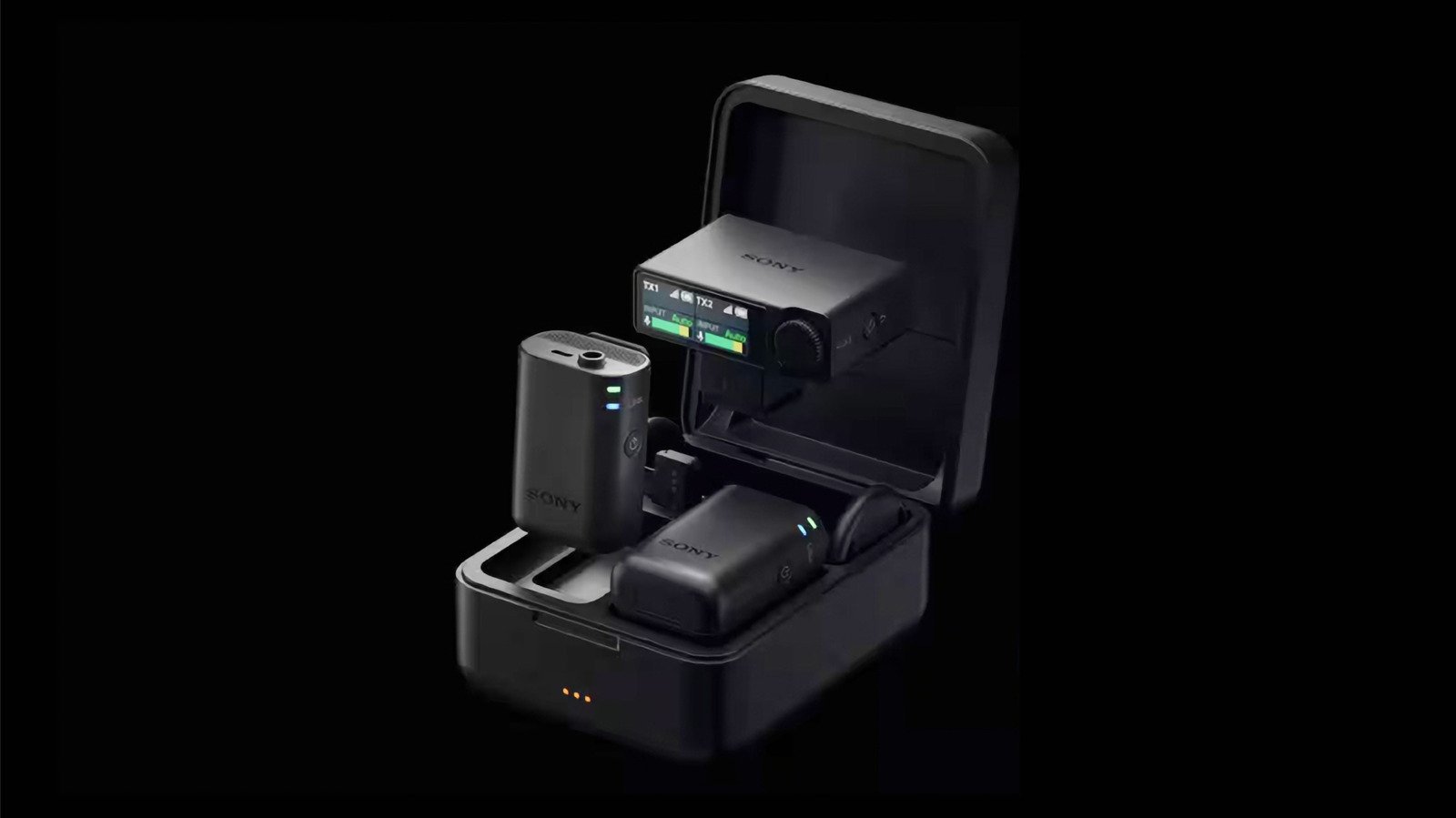
Sony ECM-W5 arrives as a direct competitor to DJI’s popular wireless systems, packing two transmitters and a receiver into a $400 kit that targets serious content creators. The system captures 96kHz audio at distances up to 500 meters under line-of-sight conditions, while each transmitter houses 64GB of internal storage for backup recording. Furthermore, the inclusion of 32-bit float recording eliminates the need for manual gain adjustments during capture.
Unlike many rivals, this kit supports external lavalier microphones through its transmitters, a feature broadcasters frequently require. Additionally, the magnetic backplates allow quick attachment to clothing, and battery life reaches 11 hours per transmitter. Meanwhile, the receiver connects directly to Sony Alpha cameras via the Multi Interface Shoe for power and data transfer.
Integration With Sony Ecosystem Shines
For creators invested in Sony’s camera lineup, the ECM-W5 offers seamless integration that competitors cannot match. The receiver draws power directly from the camera body, removing the need for separate charging during shoots. However, users without Sony cameras can still utilize the system through a USB-C adapter that connects to smartphones or computers. Consequently, the kit maintains versatility across different recording scenarios.
Bluetooth LE support enables wireless monitoring through compatible Sony headphones while adjusting settings on the receiver’s touchscreen. Moreover, purchasing additional $120 transmitters expands the system to four simultaneous tracks. This modular approach lets creators scale their investment as needs grow.
Price Premium Over DJI Alternatives
At $400, the Sony ECM-W5 commands a significant premium over DJI’s offerings. The DJI Mic 3 retails for $259, while the Mic Mini costs just $99. Nevertheless, the 32-bit float capability and external microphone support may justify the higher cost for professionals who prioritize post-production flexibility. Ultimately, the value proposition hinges on whether creators require these specific features.
Pre-orders opened today with shipping scheduled for November. Standalone components include the ECM-W5R receiver at $190 and ECM-W5T transmitters at $120 each. For more details on wireless audio technology, visit Sony’s official microphone page or compare specifications at DJI’s Mic 3 product page.
Sony Ecm-w5 Market Impact and Industry Significance
The introduction of Sony Ecm-w5 represents a pivotal shift in modern technological adoption across enterprise and consumer sectors alike. Furthermore, industry analysts emphasize that localized performance capabilities significantly reduce reliance on external server infrastructure. Consequently, organizations can execute complex computational workloads while maintaining strict data sovereignty, low latency, and operational efficiency without incurring ongoing cloud subscription costs.
Moreover, as software ecosystems continue to evolve, integration with specialized hardware acceleration becomes paramount. Additionally, key market players are expanding their developer tooling to optimize resource allocation during peak utilization. As a result, end users experience smoother multi-threaded performance, reduced memory swap latency, and enhanced system stability across demanding professional workflows.
Performance Benchmarks and Practical Sony Ecm-w5 Scenarios
In real-world deployment scenarios, evaluating sustained throughput and thermal efficiency is essential for technical decision-makers. Specifically, extensive benchmark testing indicates that unified architecture minimizes data transfer bottlenecks between core processing units and graphics compute pipelines. Therefore, demanding tasks operate with minimal compute overhead.
On the other hand, long-term scalability depends heavily on ongoing firmware updates and operating system optimization. Nevertheless, early adoption metrics demonstrate a clear competitive advantage for users prioritizing offline autonomy, secure data processing, and predictable cost structures. Ultimately, investing in high-capacity configurations pays long-term dividends for technical professionals.
Ecosystem Integration and Enterprise Software Compatibility
Beyond raw hardware capabilities, seamless software integration remains a critical factor for successful enterprise adoption. Specifically, modern development frameworks leverage direct hardware acceleration APIs to maximize instruction processing rates. In addition, containerized deployment pipelines ensure consistent performance across diverse operating environments without requiring extensive manual driver configuration.
Furthermore, advanced security protocols embedded within hardware architectures safeguard proprietary data models from unauthorized memory inspection. Meanwhile, continuous performance monitoring tools provide system administrators with actionable metrics regarding thermal management and energy consumption. Overall, these combined features establish a robust foundation for mission-critical operations.