
Microsoft Unveils the Surface Laptop Ultra for Professionals
The tech landscape has shifted dramatically, and the Surface Laptop Ultra stands as its newest flagship contender. Ever since its initial announcement, industry analysts anticipated this machine as a major leap forward. Specifically, the device promises a beefed-up evolution of previous designs while debuting the brand-new Nvidia RTX Spark N1X superchip. Consequently, users can expect a versatile tool built for heavy workloads. Furthermore, the overarching goal involves delivering a single portable computer capable of handling on-device AI, intensive gaming, and professional content creation seamlessly. Similar to high-end Apple hardware, this system aims straight for the elite demographic, though battery life remains a notable point of discussion among early reviewers.
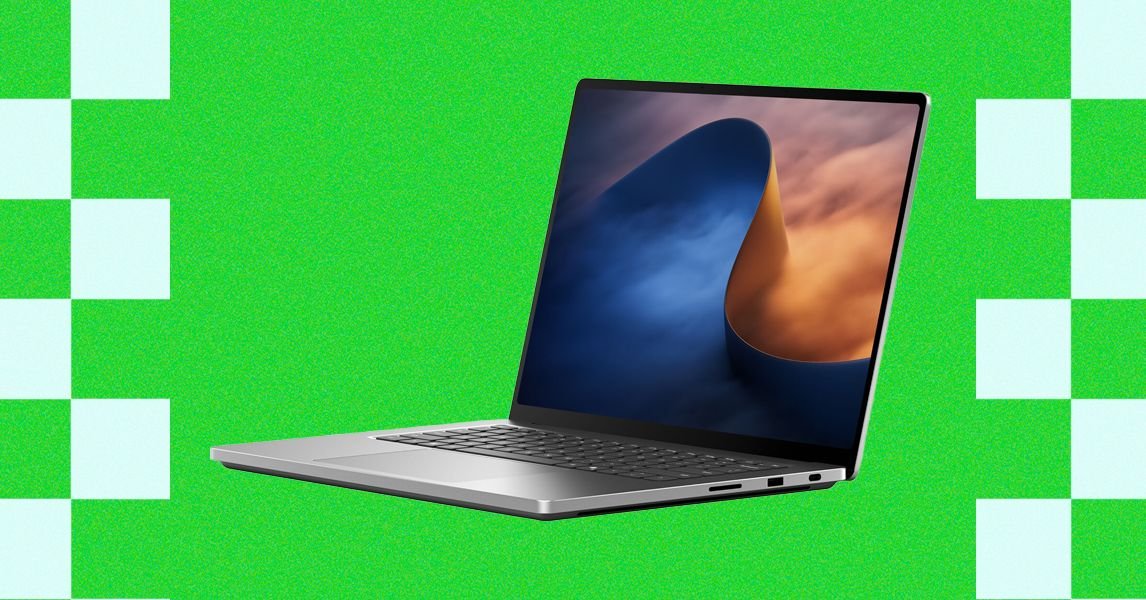
Historically, Microsoft attempted to conquer the creator market back in 2021 with the hybrid Surface Laptop Studio. However, that experimental form factor failed to fully dethrone the MacBook Pro. Therefore, the company wisely opted for a more straightforward, polished clamshell approach this time around. Weighing in at 4.4 pounds, the Surface Laptop Ultra feels robust yet manages a sleek profile by creatively hiding its side vents. Additionally, the chassis features a sophisticated keyboard well and modern rounded screen corners. Nevertheless, these aesthetic choices occasionally present minor software quirks where applications slightly cut off title bar elements. Overall, the physical design succeeds in blending everyday practicality with modern engineering flair.
Surface Laptop Ultra Delivers Exceptional Typing and Audio
Beyond the sleek exterior, the typing experience on the Surface Laptop Ultra receives widespread praise from daily users. Specifically, the tactile keyboard pairs wonderfully with an extra-large haptic feedback touchpad for smooth navigation. Meanwhile, the inventive underside vents successfully conceal a four-speaker audio array that produces surprisingly rich, loud soundscapes. However, minor ergonomic grievances persist, such as an unconventional power button placement tucked awkwardly between standard keys. Furthermore, opening the lid often requires two hands due to the absence of a distinct finger lip. Despite these minor flaws, usability remains exceptionally high for professionals typing long documents or editing media files on the go.
Ultimately, choosing the right machine depends on individual workflow demands and performance expectations. For instance, developers and video editors utilizing the Surface Laptop Ultra will appreciate the raw processing power derived from cutting-edge architecture. Meanwhile, gamers benefit from dedicated graphics previously unavailable in traditional ultraportables. As industry reports indicate, the push toward dedicated artificial intelligence hardware is accelerating rapidly across the entire technology sector. Therefore, investing in a robust platform like the Surface Laptop Ultra ensures readiness for upcoming software evolutions. Microsoft has clearly crafted a compelling option for power users seeking uncompromising performance in a traditional form factor.
Surface Laptop Ultra Market Impact and Industry Significance
The introduction of Surface Laptop Ultra represents a pivotal shift in modern technological adoption across enterprise and consumer sectors alike. Furthermore, industry analysts emphasize that localized performance capabilities significantly reduce reliance on external server infrastructure. Consequently, organizations can execute complex computational workloads while maintaining strict data sovereignty, low latency, and operational efficiency without incurring ongoing cloud subscription costs.
Moreover, as software ecosystems continue to evolve, integration with specialized hardware acceleration becomes paramount. Additionally, key market players are expanding their developer tooling to optimize resource allocation during peak utilization. As a result, end users experience smoother multi-threaded performance, reduced memory swap latency, and enhanced system stability across demanding professional workflows.