
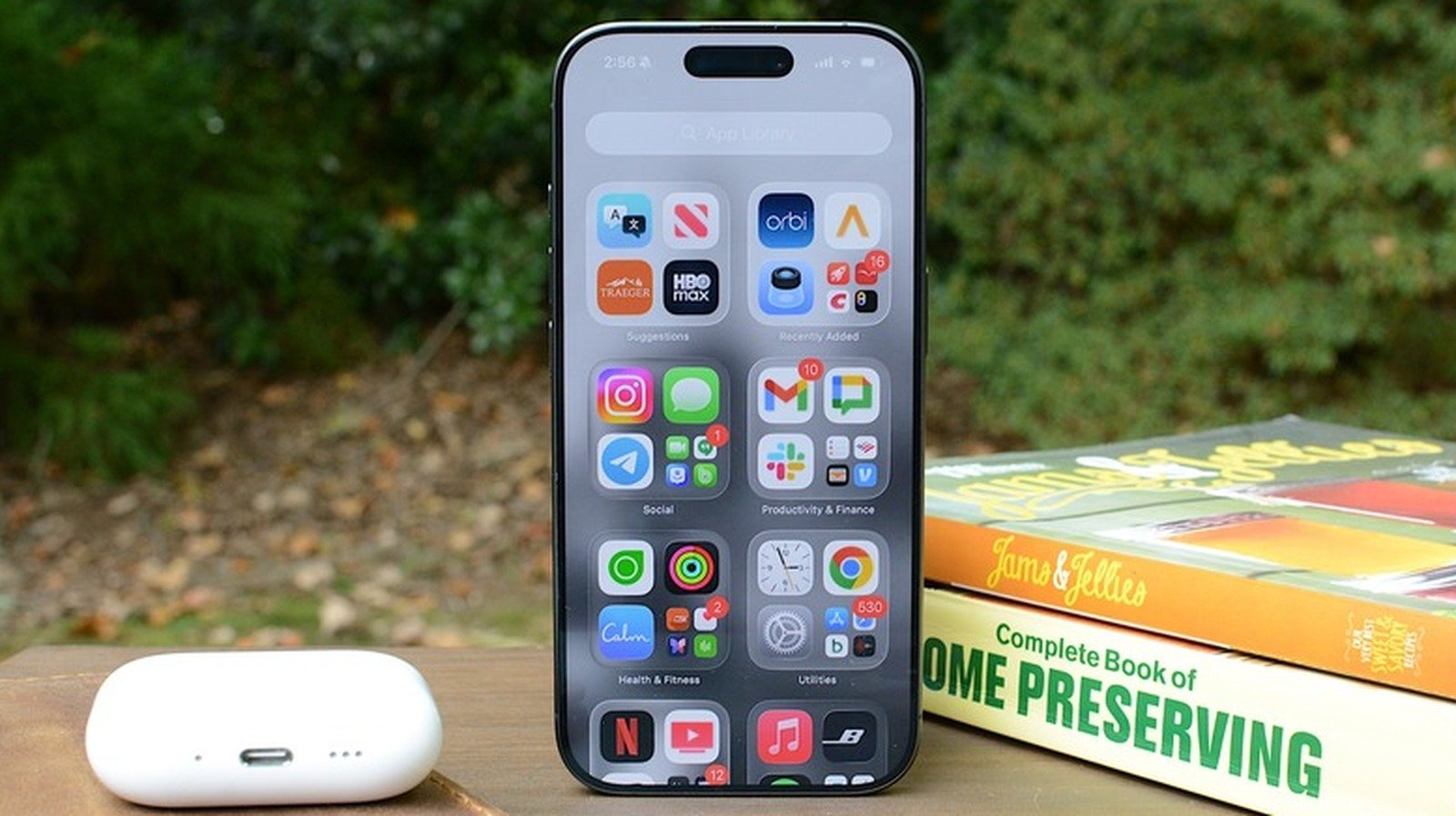
Phone Battery Replacements: Apple Slashes Outdated Phone Battery Service Costs
As global smartphone prices surge, demand for reliable phone battery replacements has never been higher. Apple has done it before, and industry analysts argue the company can do it again to help consumers combat soaring tech expenses. Due to sharply inflated memory costs, global smartphone prices are up an estimated 20 percent since the start of the year. Naturally, phone makers are passing these massive financial burdens directly on to everyday consumers. Accordingly, many people are holding on to their existing devices for much longer, or alternatively turning to refurbished phones.
Perhaps that sustained thriftiness should have been the standard approach all along. However, there remains one major barrier to handset longevity: major tech companies largely refuse to offer cheap phone battery replacements. Let us examine how much Apple currently charges to replace your mobile device power cell. If you own the newest Pro model, you are looking at $129 for an out-of-warranty battery service direct from the company. Meanwhile, an older base model such as the 2020 iPhone 12 will set you back $89. Apple has even priced iPhone Duo power cells at a staggering $229.
Navigating High Hardware Repair Expenses
These current corporate prices generally align with competitors across the mobile market. Samsung does not prominently list out-of-warranty rates on its website, but reports indicate you will pay between $99 and $129 for a new cell. Both Apple and Samsung aggressively incentivize users to sign up for extended warranty plans like AppleCare and Samsung Care+. Nevertheless, those packages require enrollment shortly after purchasing your device. Fortunately, iFixit offers a great do-it-yourself alternative, although most modern devices are intentionally built to resist user repairs.
At first glance, none of those service rates seem entirely egregious. Historically, however, Apple has charged significantly less for identical hardware upkeep. In 2018, the corporation dramatically reduced out-of-warranty costs during the fallout from its performance throttling controversy. For a full year, the company charged just $29 in the US. Before 2018, Apple averaged roughly one to two million swaps annually. That number reportedly jumped to 11 million during the discounted year.
The Economic Reality Facing Consumers
Critics frequently point out that affordable phone battery replacements directly impact new device upgrade cycles. Former CEO Tim Cook once noted that some customers took advantage of the reduced pricing instead of purchasing new hardware. Yet, economic slowdowns played a far larger role in revenue shifts than simple hardware maintenance. Since 2018, manufacturing expenses have climbed steadily.
Recently, Apple raised the price of older models by $100 simultaneously with new flagship announcements. Samsung followed suit by hiking rates across its entire S26 lineup. Ultimately, providing cheap phone battery replacements represents a vital consumer-first strategy. If memory shortages persist, manufacturers must embrace affordable phone battery replacements to sustain customer loyalty.
Phone Battery Replacements Market Impact and Industry Significance
The introduction of Phone Battery Replacements represents a pivotal shift in modern technological adoption across enterprise and consumer sectors alike. Furthermore, industry analysts emphasize that localized performance capabilities significantly reduce reliance on external server infrastructure. Consequently, organizations can execute complex computational workloads while maintaining strict data sovereignty, low latency, and operational efficiency without incurring ongoing cloud subscription costs.
Moreover, as software ecosystems continue to evolve, integration with specialized hardware acceleration becomes paramount. Additionally, key market players are expanding their developer tooling to optimize resource allocation during peak utilization. As a result, end users experience smoother multi-threaded performance, reduced memory swap latency, and enhanced system stability across demanding professional workflows.