
How Genetic Genealogy Solved a Thirty-Year Murder Mystery
For three decades, the brutal 1993 homicide of 34-year-old Randy Gail Sperino remained frozen in the files of the Madison County Sheriff’s Office. Standard police databases yielded zero matches for the crime scene DNA. That stagnation ended when detectives turned to investigative genetic genealogy to break the case wide open. By uploading genetic profiles to advanced genealogical platforms, investigators finally tracked down a distant family member, leading directly to 70-year-old suspect Albert Buddy Zigler.
Genetic Genealogy: The Technology Behind the Break
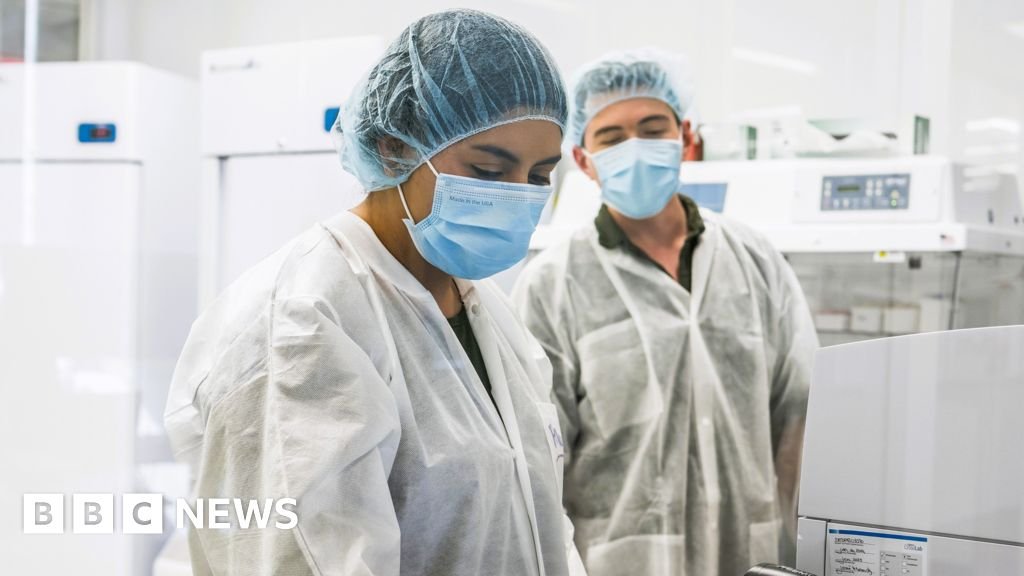
Unlike traditional forensic testing that requires a direct match in law enforcement systems, genetic genealogy matches unknown profiles against distant relatives who submitted data to consumer platforms. Houston-based company Othram spearheaded this forensic workflow. By building complex family trees through public records and obituaries, scientists supply law enforcement with a precise digital map. In fact, Othram chief executive David Mittelman likens the process to a GPS coordinate system that points detectives in the exact right direction.
- Othram processed the disputed DNA evidence
- Investigators constructed missing family trees
- Distant relative profiles pointed directly to the suspect
- Suspect Albert Buddy Zigler confessed and was charged
Weighing Privacy Concerns Against Justice
In terms of Genetic Genealogy, While this technique offers incredible power for cracking cold cases, it triggers intense privacy debates among digital rights advocates. Many consumers who submit DNA samples to genealogy platforms for ancestry tracking are unaware their genetic data might aid police investigations. Although companies maintain strict internal guidelines, critics argue that law enforcement access stretches the boundaries of personal digital privacy. Meanwhile, families of victims praise the technology for providing long-awaited closure.
The Bottom Line for Modern Forensics
Despite ongoing privacy discussions, forensic labs continue integrating modern DNA mapping into their daily operations. As federal forensic guidelines evolve, these advanced databases will likely solve thousands of remaining unsolved homicides across the nation. Technology has fundamentally altered how detectives investigate historical crimes.