
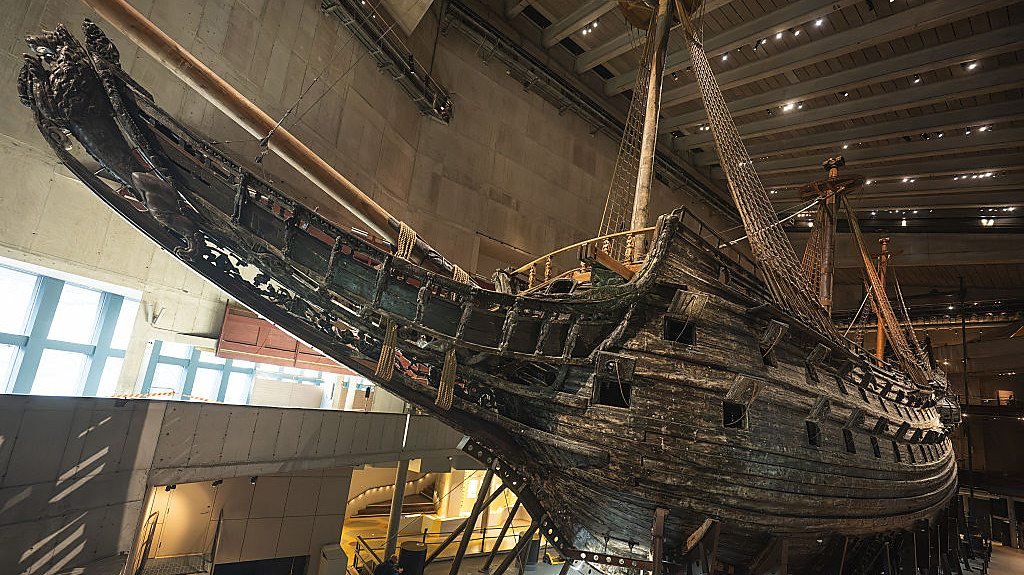
Stockholm Museum Deploys Tech to Save Vasa Shipwreck
Deep inside Stockholm’s famous maritime museum, conservationists are utilizing advanced technology to protect the fragile Vasa shipwreck. The historic Swedish warship sank on its maiden voyage back in 1628 before being recovered from the seabed more than 300 years later. Although maritime experts managed to salvage the massive vessel, the decades following its recovery have brought ongoing preservation challenges. Today, sophisticated monitoring systems track temperature, humidity, and wood chemistry to ensure the iconic hull survives for future generations.
Vasa Shipwreck: How High-Tech Sensors Monitor Aging Timber
Because the historic oak timbers absorbed decades of seawater, protecting the structure requires constant vigilance. Conservation teams have installed a dense network of digital sensors across the entire Vasa shipwreck. These devices continuously measure moisture levels and ambient air conditions inside the climate-controlled exhibition hall. While visitors admire the grand carvings from elevated walkways, invisible algorithms analyze structural shifts in real time.
- Continuous real-time humidity and temperature tracking
- Advanced chemical treatments to neutralize acid buildup
- Laser scanning to detect microscopic shifts in timber
- Climate-controlled enclosures protecting vulnerable hull sections
Comparing Ancient Wood Protection With Modern Methods
Preserving waterlogged timber has historically challenged maritime historians. Unlike smaller artifacts preserved in chemical baths, a massive warship demands architectural-grade engineering. Compared to traditional museum display methods used in the twentieth century, modern interventions rely heavily on automated data analytics. This digital shift allows conservators to anticipate wood degradation months before physical cracks or chemical imbalances appear on the surface.
What This Means for Global Heritage Conservation
The lessons learned from managing the Vasa shipwreck extend far beyond Scandinavia. Museums housing fragile archaeological finds worldwide now look to Stockholm as a pioneer in digital-era artifact longevity. That said, maintaining a 400-year-old warship remains an expensive, ongoing engineering puzzle. As sensor networks grow smarter, the methods deployed here will likely shape how future generations protect humanity’s most vulnerable underwater treasures from decay.
For full official background and direct documentation, read the source coverage on Bbc.com Reporting.