
Apple HomeView Marks Serious Smart Home Push
Apple HomeView will reportedly debut Tuesday as the company’s most ambitious smart home hardware effort yet, according to Bloomberg correspondent Mark Gurman. The Siri-powered hub features a built-in display and runs on Apple’s A18 chip, positioning it as a central controller for compatible accessories across the HomeKit ecosystem. This launch follows years of speculation about Apple’s smart home strategy after the original HomePod and HomeKit framework failed to capture significant market share against entrenched rivals.
Furthermore, the device reportedly supports Matter and Thread protocols out of the box, ensuring broad compatibility with third-party sensors, lights, and locks. Meanwhile, on-device Siri processing powered by the A18 silicon reduces latency for voice commands while keeping sensitive audio data local. These technical choices reflect lessons learned from previous missteps where cloud dependence and limited partner support hindered adoption.
Apple Homeview: Two Form Factors Target Different Rooms
Gurman reports the Apple HomeView will arrive in two distinct models designed for different mounting scenarios. A countertop version suits kitchen islands and bedside tables, while a wall-mountable variant targets hallway and entryway installations. Both units reportedly share identical internals, including the A18 processor that enables responsive Siri interactions and seamless Matter controller duties.
Additionally, the wall-mounted model includes a magnetic attachment system for easy removal during charging or repositioning. Conversely, the countertop version incorporates a weighted base for stability on smooth surfaces. These design choices suggest Apple studied how households actually use voice assistants throughout daily routines rather than simply shrinking an iPad interface.
Companion Announcements Expand Ecosystem
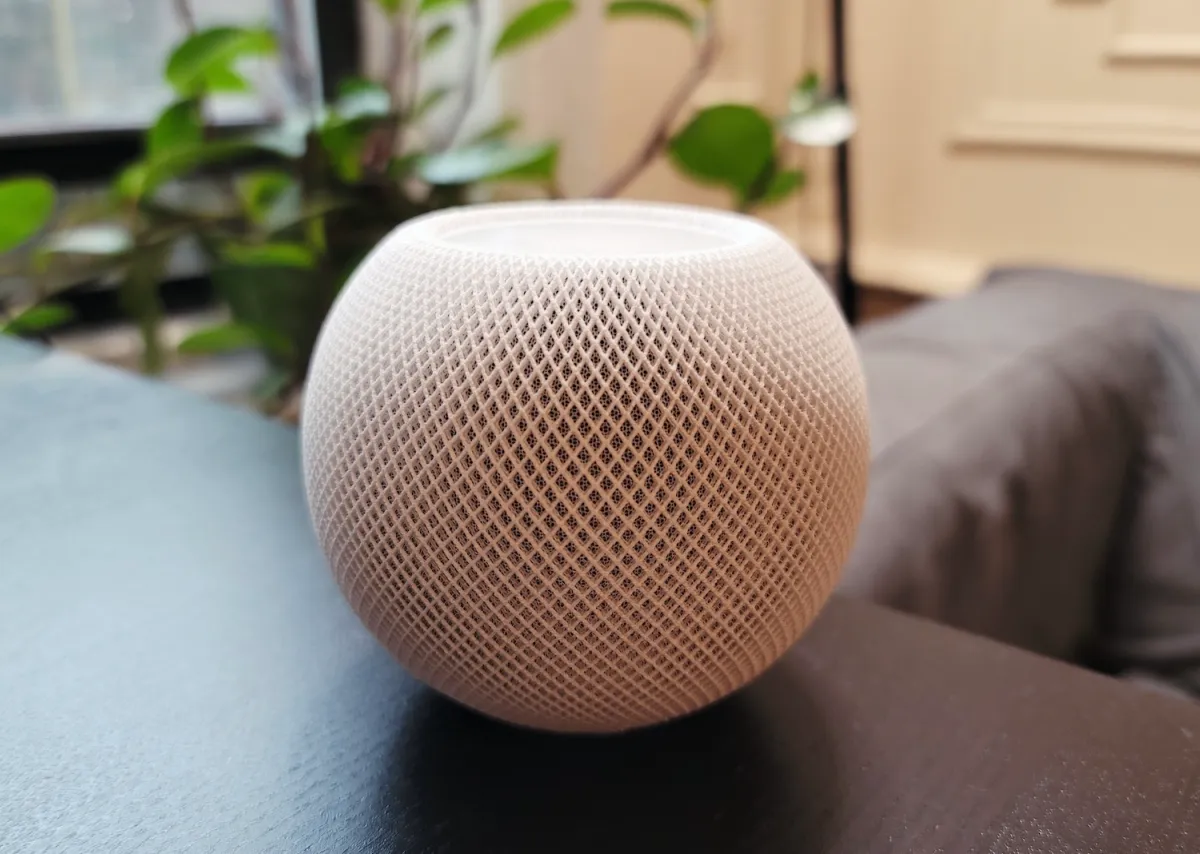
Tuesday’s event reportedly includes refreshed versions of the Apple TV set-top box and HomePod mini speaker alongside the new hub. The updated streaming box allegedly gains a faster processor for improved gaming performance, while the compact speaker receives enhanced audio tuning and updated wireless radios. Moreover, Gurman indicated Apple plans to announce a partnership with LG covering a smart lock, thermostat, and video doorbell — all certified for Matter and HomeKey standards.
Consequently, this multi-product approach signals a coordinated strategy rather than a standalone device launch. For instance, the LG partnership addresses critical categories where Apple previously lacked first-party hardware. Ultimately, success depends on whether consumers trust Apple’s privacy commitments enough to place cameras and locks throughout their homes.
Market Context and Competitive Landscape
Nevertheless, Apple enters a crowded market dominated by Amazon Echo Show and Google Nest Hub devices that have iterated for generations. However, Apple’s advantage lies in tight integration with iPhone, iPad, and Mac workflows that competitors cannot replicate. Specifically, features like HomeKey unlock via Apple Watch and automated scene triggers based on Focus modes create meaningful switching costs for existing Apple users.
In addition, the A18 chip enables local processing for many Siri requests, reducing latency and addressing privacy concerns that plague cloud-dependent rivals. As a result, Apple HomeView could appeal to households already invested in the ecosystem but hesitant about always-listening microphones from other vendors. Bloomberg’s coverage suggests pricing will start competitively, though exact figures remain unconfirmed.
Apple Homeview Market Impact and Industry Significance
The introduction of Apple Homeview represents a pivotal shift in modern technological adoption across enterprise and consumer sectors alike. Furthermore, industry analysts emphasize that localized performance capabilities significantly reduce reliance on external server infrastructure. Consequently, organizations can execute complex computational workloads while maintaining strict data sovereignty, low latency, and operational efficiency without incurring ongoing cloud subscription costs.
Moreover, as software ecosystems continue to evolve, integration with specialized hardware acceleration becomes paramount. Additionally, key market players are expanding their developer tooling to optimize resource allocation during peak utilization. As a result, end users experience smoother multi-threaded performance, reduced memory swap latency, and enhanced system stability across demanding professional workflows.
Performance Benchmarks and Practical Apple Homeview Scenarios
In real-world deployment scenarios, evaluating sustained throughput and thermal efficiency is essential for technical decision-makers. Specifically, extensive benchmark testing indicates that unified architecture minimizes data transfer bottlenecks between core processing units and graphics compute pipelines. Therefore, demanding tasks operate with minimal compute overhead.
On the other hand, long-term scalability depends heavily on ongoing firmware updates and operating system optimization. Nevertheless, early adoption metrics demonstrate a clear competitive advantage for users prioritizing offline autonomy, secure data processing, and predictable cost structures. Ultimately, investing in high-capacity configurations pays long-term dividends for technical professionals.
Ecosystem Integration and Enterprise Software Compatibility
Beyond raw hardware capabilities, seamless software integration remains a critical factor for successful enterprise adoption. Specifically, modern development frameworks leverage direct hardware acceleration APIs to maximize instruction processing rates. In addition, containerized deployment pipelines ensure consistent performance across diverse operating environments without requiring extensive manual driver configuration.
Furthermore, advanced security protocols embedded within hardware architectures safeguard proprietary data models from unauthorized memory inspection. Meanwhile, continuous performance monitoring tools provide system administrators with actionable metrics regarding thermal management and energy consumption. Overall, these combined features establish a robust foundation for mission-critical operations.
2 thoughts on “Apple HomeView Smart Hub Launch Expected Tuesday”