
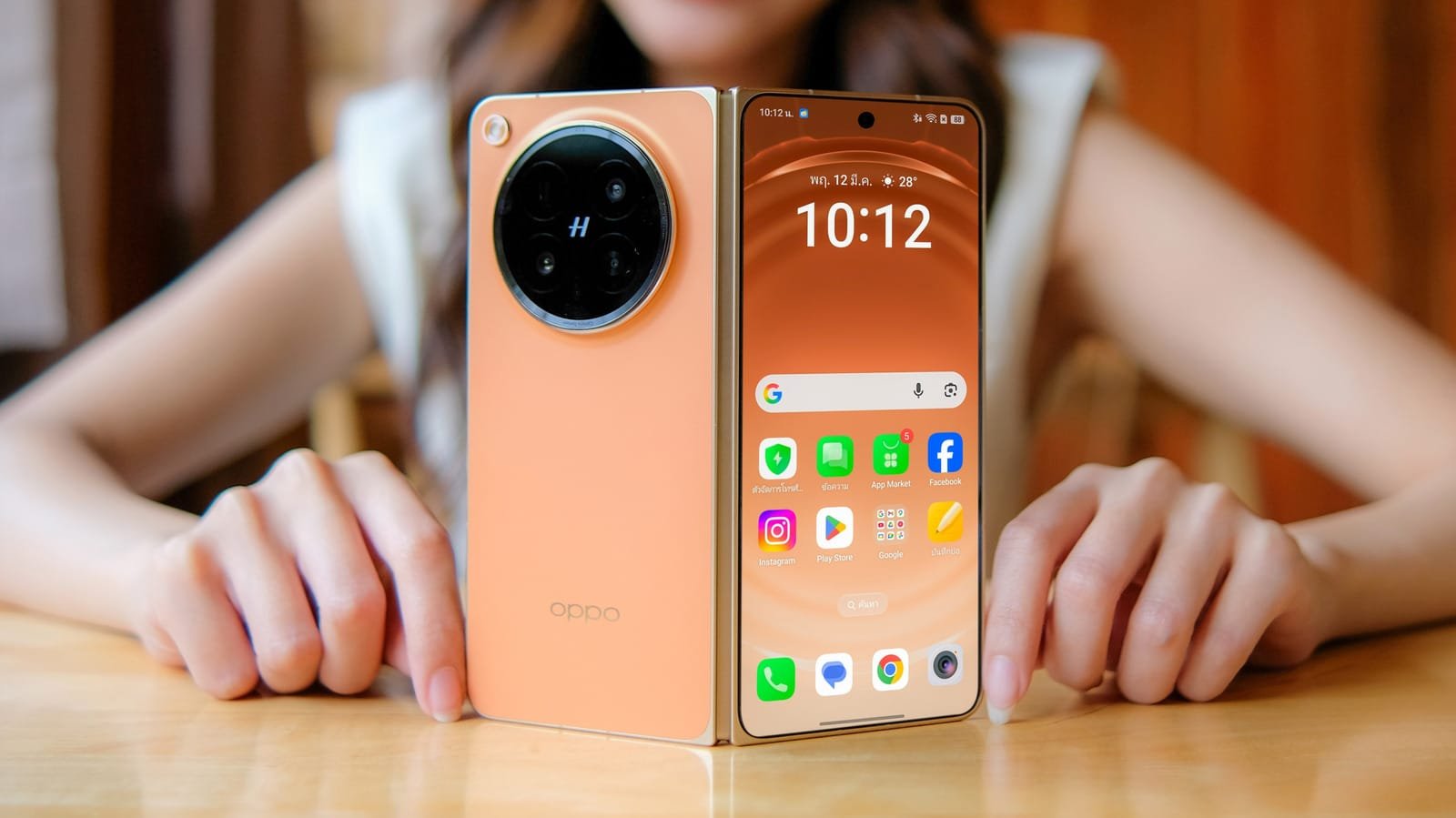
Carrier Compatibility When Importing Foreign Phones
Importing foreign phones to the United States has grown popular among enthusiasts seeking hardware unavailable through domestic carriers. While the practice opens access to innovative foldables and camera-centric flagships from brands like Xiaomi, Honor, and OPPO, buyers must navigate carrier compatibility, software support, and warranty limitations before committing.
Furthermore, most modern smartphones support global cellular bands, yet frequency variations persist. A device purchased in China or Europe may lack specific 5G bands used by Verizon, T-Mobile, or AT&T. Consequently, shoppers should cross-reference the model’s supported bands against their carrier’s deployed spectrum. Online forums such as Reddit’s r/Android or XDA Developers often document real-world experiences with specific imported models.
Additionally, carrier-certified features like Wi-Fi calling, VoLTE, and visual voicemail frequently require per-device approval. Even when an imported handset connects to 5G, these services may remain inactive. Therefore, verifying feature support through community reports becomes essential before money changes hands.
Software Updates and Warranty Gaps
Software maintenance presents another hurdle. Manufacturers often tie Android update rollouts to regions or carrier partnerships, meaning imported units receive patches months later — if at all. Moreover, some Chinese-market devices ship without Google Play Services pre-installed, requiring manual installation that may break with future OS upgrades.
Meanwhile, warranty coverage rarely extends across borders. Brands without official US operations provide no authorized repair network, forcing owners to rely on third-party shops for screen replacements or battery swaps. Such repairs can void any remaining manufacturer protection and may use non-genuine components.
Why Importing Foreign Phones Still Appeals
Nevertheless, the allure remains strong. Chinese vendors now produce tri-fold displays, 1-inch camera sensors, and 6,000 mAh batteries in slim profiles — specifications that often surpass domestic flagships. The Xiaomi Mix Fold 4, for instance, offers a larger cover screen and faster charging than its US-available rivals at a lower price point.
Ultimately, enthusiasts willing to research band compatibility, accept delayed updates, and forego official support gain access to cutting-edge designs years before they reach American shelves. For the informed buyer, importing foreign phones represents a calculated trade-off rather than a reckless gamble. FCC frequency guidelines and GSMArena specifications serve as valuable starting points for due diligence.
Importing Foreign Phones Market Impact and Industry Significance
The introduction of Importing Foreign Phones represents a pivotal shift in modern technological adoption across enterprise and consumer sectors alike. Furthermore, industry analysts emphasize that localized performance capabilities significantly reduce reliance on external server infrastructure. Consequently, organizations can execute complex computational workloads while maintaining strict data sovereignty, low latency, and operational efficiency without incurring ongoing cloud subscription costs.
Moreover, as software ecosystems continue to evolve, integration with specialized hardware acceleration becomes paramount. Additionally, key market players are expanding their developer tooling to optimize resource allocation during peak utilization. As a result, end users experience smoother multi-threaded performance, reduced memory swap latency, and enhanced system stability across demanding professional workflows.
Performance Benchmarks and Practical Importing Foreign Phones Scenarios
In real-world deployment scenarios, evaluating sustained throughput and thermal efficiency is essential for technical decision-makers. Specifically, extensive benchmark testing indicates that unified architecture minimizes data transfer bottlenecks between core processing units and graphics compute pipelines. Therefore, demanding tasks operate with minimal compute overhead.
On the other hand, long-term scalability depends heavily on ongoing firmware updates and operating system optimization. Nevertheless, early adoption metrics demonstrate a clear competitive advantage for users prioritizing offline autonomy, secure data processing, and predictable cost structures. Ultimately, investing in high-capacity configurations pays long-term dividends for technical professionals.
Ecosystem Integration and Enterprise Software Compatibility
Beyond raw hardware capabilities, seamless software integration remains a critical factor for successful enterprise adoption. Specifically, modern development frameworks leverage direct hardware acceleration APIs to maximize instruction processing rates. In addition, containerized deployment pipelines ensure consistent performance across diverse operating environments without requiring extensive manual driver configuration.
Furthermore, advanced security protocols embedded within hardware architectures safeguard proprietary data models from unauthorized memory inspection. Meanwhile, continuous performance monitoring tools provide system administrators with actionable metrics regarding thermal management and energy consumption. Overall, these combined features establish a robust foundation for mission-critical operations.