
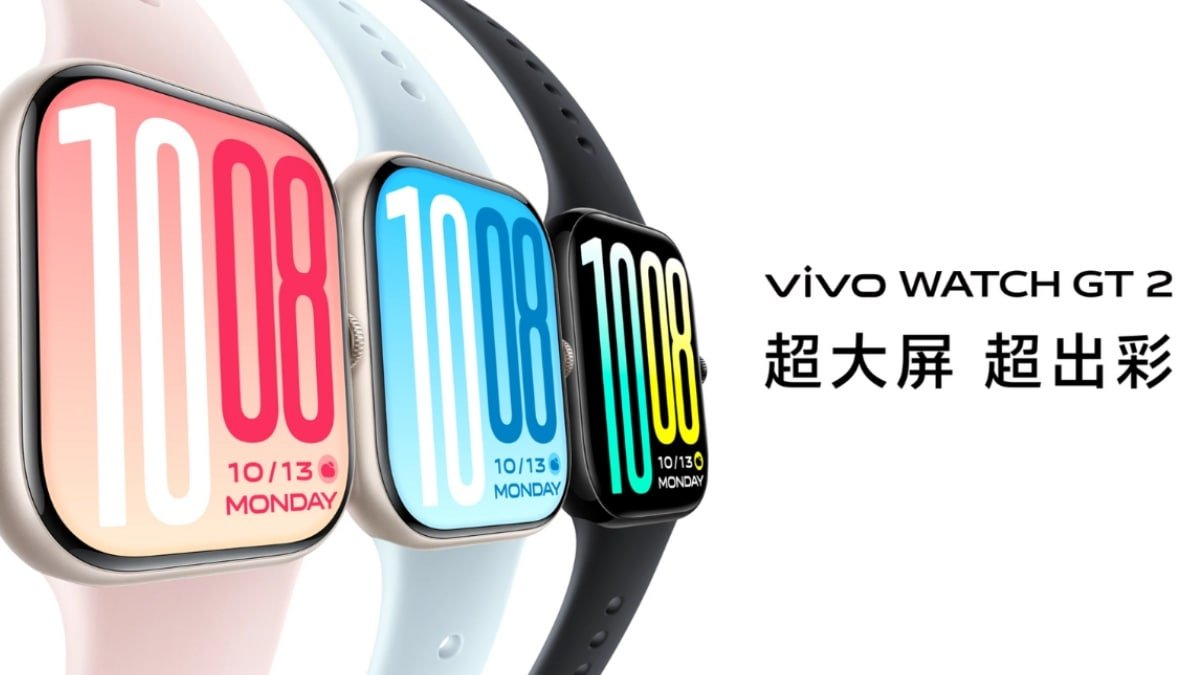
Technical Specifications and Architectural Breakdown
At the core of the Vivo Watch GT lies a sophisticated hardware architecture designed to balance high-fidelity visuals with long-term power efficiency. The device features a 2.07-inch rectangular AMOLED panel, which serves as the primary interface for its proprietary BlueOS 3.0 operating system. With a resolution of 432×514 pixels and a peak brightness of 2,400 nits, the display is engineered for visibility in high-glare outdoor environments, effectively matching the luminance standards set by current industry leaders.
Under the hood, the device manages its power through a bifurcated battery strategy. The Bluetooth-only variant utilizes a 695mAh cell, while the eSIM-enabled model incorporates a slightly more compact 595mAh unit. This architectural choice is critical; it allows the Bluetooth model to achieve a claimed endurance of up to 33 days on a single charge—a significant deviation from the daily-charging cycle required by most high-performance smartwatches. The integration of BlueOS 3.0 facilitates this longevity by optimizing background processes and streamlining sensor polling for over 100 dedicated sports modes. The 2ATM water resistance rating, while sufficient for surface-level aquatic activities, positions the device as a lifestyle-oriented tracker rather than a dedicated tool for deep-sea diving, reflecting a design philosophy focused on daily utility and health monitoring metrics, including continuous heart rate and blood oxygen tracking.
Industry Landscape and Competitive Comparison
The arrival of the Vivo Watch GT in India places it in a crowded segment where consumers are increasingly discerning regarding software stability and battery endurance. While the Apple Watch Series 9 remains the gold standard for ecosystem integration, and the Samsung Galaxy Watch 7 excels in health-tracking depth, Vivo is positioning the Watch GT as a high-value alternative that does not compromise on display quality or battery life. The following table illustrates how the Vivo Watch GT compares to its primary market rivals.
| Feature | Vivo Watch GT | Apple Watch Series 9 | Samsung Galaxy Watch 7 |
|---|---|---|---|
| Display Brightness | 2,400 nits | 2,000 nits | 2,000 nits |
| Battery Life (Typical) | Up to 33 days | Up to 18 hours | Up to 40 hours |
| Operating System | BlueOS 3.0 | watchOS | Wear OS |
| Water Resistance | 2ATM | 5ATM | 5ATM |
The disparity in battery life is the most striking differentiator. By opting for a lower-refresh-rate display and a highly optimized proprietary operating system, Vivo has managed to extend the time between charges by several orders of magnitude compared to the Apple and Samsung offerings. However, this comes at the cost of the broader app ecosystems found on watchOS and Wear OS, which may influence the decision-making process for power users who rely on third-party integrations.
Practical Consumer & Enterprise Takeaways
For the average consumer, the Vivo Watch GT represents a calculated trade-off. If the primary requirement is a device that integrates seamlessly with a smartphone for notifications, fitness tracking, and occasional communication without the anxiety of daily charging, the Watch GT is a formidable candidate. The 2,400-nit screen ensures that data remains legible during intense physical activity, and the robust sports tracking suite covers the vast majority of common athletic needs.
From an enterprise perspective, the device is less suited for users requiring deep integration with corporate productivity suites, such as Outlook or Slack, due to the limitations of BlueOS compared to more established platforms. However, for users already invested in the Vivo smartphone ecosystem, the Watch GT offers a degree of interoperability that third-party wearables cannot match. Buyers should consider their specific needs: if the priority is aesthetic design and long-term battery performance, the Watch GT is an excellent choice. If the priority is a rich library of third-party applications and advanced smart-home control, users may find the limitations of the proprietary OS more restrictive.
Frequently Asked Questions
Does the Vivo Watch GT support third-party application installation?
The Vivo Watch GT runs on BlueOS 3.0, which is a closed ecosystem. While it supports a wide array of pre-installed health and fitness applications, it does not offer the same level of third-party app support found on platforms like Wear OS or watchOS.
Is the eSIM version of the watch compatible with all Indian carriers?
While specific carrier support is contingent on local network certification, the device is designed to function with standard eSIM protocols used by major telecommunications providers. Consumers should verify compatibility with their specific carrier before opting for the eSIM model.
How does the 2ATM water resistance rating affect daily usage?
A 2ATM rating indicates that the watch is resistant to splashes, rain, and brief immersion. It is suitable for activities like showering or surface swimming but is not designed for high-pressure water sports or prolonged submersion, which should be kept in mind during intense aquatic workouts.
The Bottom Line
The Vivo Watch GT is a strategic hardware play that prioritizes the fundamental requirements of a modern wearable: durability, display excellence, and battery endurance. By focusing on these core pillars, Vivo has crafted a device that stands out in a market otherwise saturated with power-hungry wearables that demand constant tethering to a charger. While it may not offer the expansive app ecosystem of its global competitors, it succeeds as a reliable, high-performance companion for the Vivo X500 series. For users looking to complete their mobile ecosystem with a device that emphasizes utility over complexity, the Watch GT presents a compelling, long-lasting solution that justifies its place in the premium wearable market.