
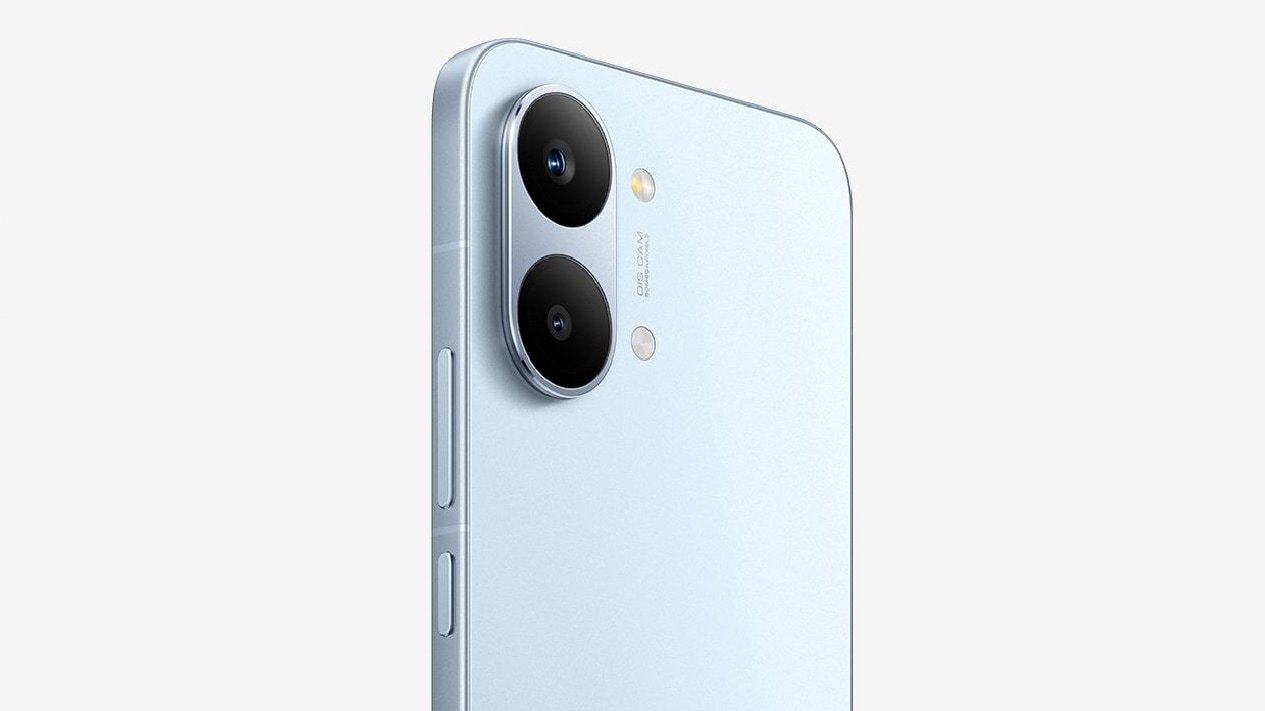
Technical Specifications and Architectural Breakdown
At the heart of the Redmi Turbo 6 Max lies the MediaTek Dimensity 9500s chipset. This silicon is expected to offer a refined balance of performance and efficiency, a necessity when managing the power draw of a device with such an expansive feature set. The architecture is built to support high-throughput tasks without the thermal throttling often associated with pushing 2K resolution displays at high frame rates.
The visual experience is anchored by a 7-inch 2K OLED panel. To mitigate the bulk usually associated with large-format devices, the manufacturer is reportedly utilizing LIPO (Low-pressure Injection Over-molding) packaging technology. This allows for one-millimeter bezels, ensuring that the screen-to-body ratio remains competitive despite the massive internal footprint required for the 11,000mAh energy cell. Furthermore, the inclusion of a 185Hz refresh rate suggests that the display controller has been optimized for fluid motion, likely employing variable refresh rate (VRR) technology to conserve power during static content consumption.
Thermal management will be the primary engineering challenge. An 11,000mAh battery requires sophisticated power delivery protocols to ensure that charging times remain reasonable. While specific wattage figures for the charging system are still being finalized, the evolution from the 100W standard seen in the previous generation suggests that Redmi is likely targeting a high-speed proprietary charging solution to prevent the device from remaining tethered to a wall outlet for excessive durations.
Industry Landscape and Competitive Comparison
The current market standard for flagship devices remains firmly anchored between 4,500mAh and 5,500mAh. By doubling this capacity, the Redmi Turbo 6 Max enters a niche category previously occupied by ruggedized, industrial-grade handsets. The following table illustrates how this new entry compares to its predecessor and current flagship benchmarks.
| Device | Battery Capacity | Display Resolution | Refresh Rate |
|---|---|---|---|
| Redmi Turbo 5 Max | 9,000mAh | 1.5K | 144Hz |
| Standard Flagship (2024) | 5,000mAh | 2K | 120Hz |
| Redmi Turbo 6 Max | 11,000mAh | 2K | 185Hz |
The competitive landscape is bifurcated. On one side, premium flagships offer optimized software ecosystems and superior camera sensors, but they struggle to maintain battery life through a full day of heavy professional usage. On the other, the Redmi Turbo 6 Max targets the “power user” demographic—individuals who rely on their devices for navigation, sustained media creation, or field work where consistent power access is not guaranteed. This device does not compete with the ultra-premium tier on camera optics; instead, it competes on the fundamental requirement of uptime.
Practical Consumer & Enterprise Takeaways
For the average consumer, the Redmi Turbo 6 Max presents a distinct trade-off. The device will inevitably be thicker and heavier than the standard smartphone. Users who prioritize ergonomics and pocketability may find the dimensions prohibitive. However, for enterprise users and frequent travelers, the value proposition is clear: the elimination of external power banks and the reduction of charging anxiety.
From a cost-benefit perspective, the Redmi Turbo 6 Max is expected to maintain the aggressive pricing strategy associated with the Turbo line. By utilizing the Dimensity 9500s, the manufacturer avoids the licensing costs associated with top-tier Qualcomm Snapdragon 8-series chips, allowing the budget to be reallocated toward the battery and display hardware. Potential buyers should consider the weight distribution of such a large device and whether their daily workflow justifies the shift away from compact design standards.
Frequently Asked Questions
How will an 11,000mAh battery affect charging times?
While an 11,000mAh cell is massive, advancements in dual-cell battery architecture and high-wattage charging controllers allow modern devices to reach 80% capacity in under an hour. We expect the Redmi Turbo 6 Max to utilize a split-cell design to ensure thermal stability during high-speed charging.
Will the increased battery size make the phone too heavy for daily use?
The device will certainly exceed the 220-gram threshold common in modern flagships. While it may be less comfortable for one-handed use, the inclusion of LIPO packaging helps keep the overall volume down, keeping it within the realm of “large-format” rather than “niche industrial” hardware.
Is the 185Hz refresh rate overkill for a battery-focused device?
High refresh rates can be taxing, but when paired with an 11,000mAh capacity, the impact on total endurance is minimized. The system will likely utilize aggressive software-level down-clocking to 60Hz or 1Hz when high-motion content is not detected, preserving the battery for essential tasks.
The Bottom Line
The Redmi Turbo 6 Max is a calculated bet on a segment of the market that has felt neglected by the industry’s obsession with thinness. By delivering a device that prioritizes endurance and visual fidelity, the manufacturer is addressing a core pain point for millions of users. While it may not become the mainstream choice due to its physical footprint, it is poised to become the definitive device for professionals and power users who demand that their hardware outlast their daily schedule. It is a pragmatic, performance-oriented machine that values utility over aesthetic trends.