
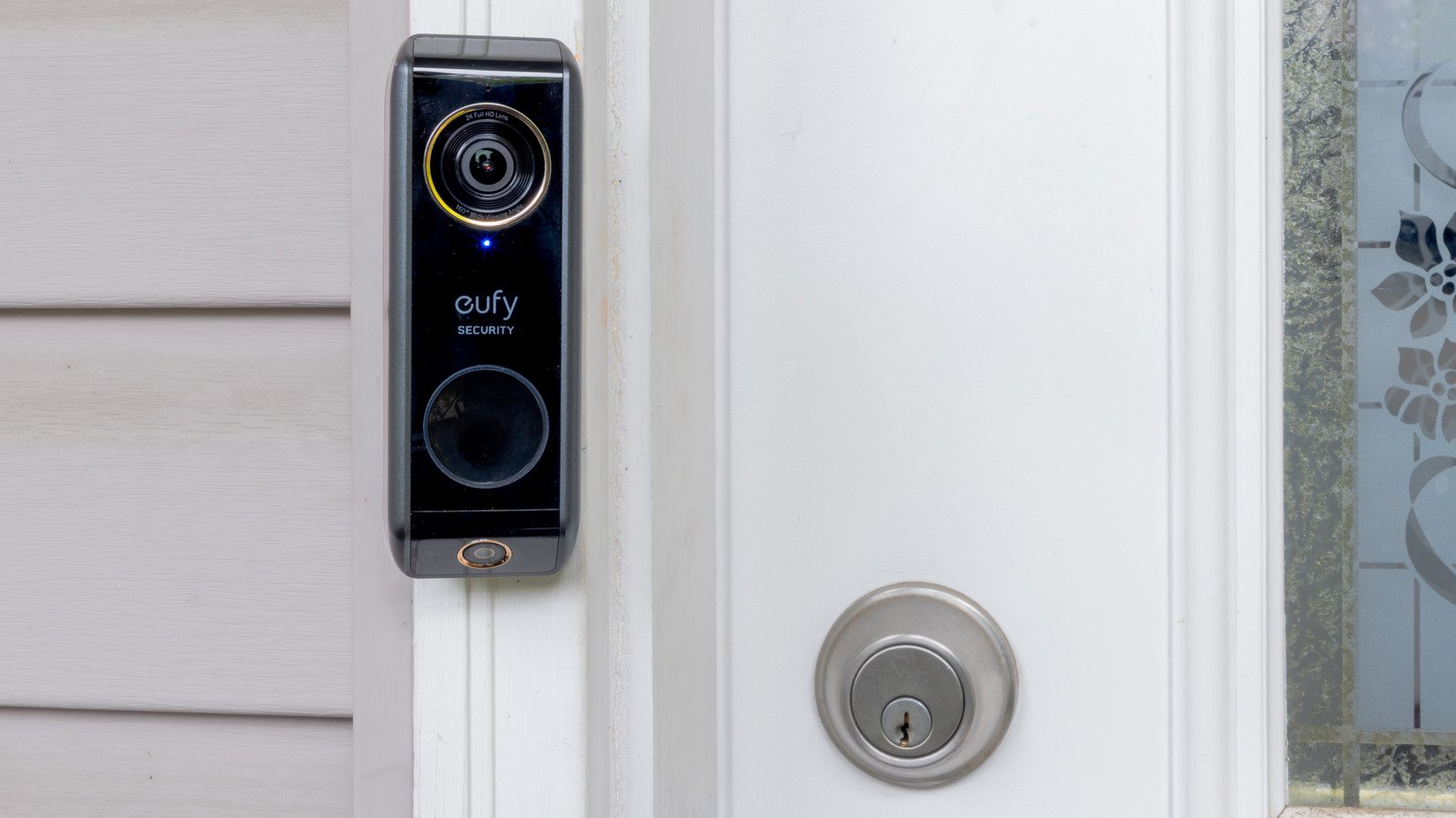
The modern smart home security ecosystem relies heavily on the promise of the video doorbell as the primary gatekeeper of the domestic threshold. Consumers invest in these devices with the expectation of a digital sentry that captures every arrival with precision. However, a growing disconnect between laboratory-tested performance and real-world utility has recently come to light. Ring, a market leader in the space, has quietly adjusted its motion detection messaging following a surge of user complaints regarding inconsistent alerts and false positives. This shift highlights a fundamental truth about smart hardware: the distance printed on a retail box is rarely the distance you will experience on your front porch.
For the average homeowner, the frustration is palpable. A delivery driver arrives and departs before the device registers the motion, or, conversely, a passing car triggers a notification that wakes the household at 3:00 AM. This discrepancy is not necessarily a sign of defective hardware, but rather a collision between aggressive marketing metrics and the physics of Passive Infrared (PIR) sensing. As we examine the current state of the video doorbell market, it becomes clear that manufacturers must move toward more transparent reporting to help users navigate the complex realities of environmental interference.
Technical Specifications and Architectural Breakdown
To understand why detection ranges vary so wildly, one must look at the underlying sensor technology. Most video doorbells utilize Passive Infrared (PIR) sensors, which detect changes in heat signatures across a field of view. These sensors are inherently tuned to detect motion that moves across the sensor’s field of vision—perpendicular movement—rather than movement coming directly toward the camera. This is why a person walking across your porch is caught more reliably than someone walking straight up to the lens.
The “30-foot” claim often touted by manufacturers like Ring refers to the maximum theoretical range under ideal, controlled conditions—usually at a specific mounting height and ambient temperature. However, PIR sensors are highly sensitive to thermal noise. Changes in sunlight, heat radiating from asphalt, or even the cooling of a vehicle engine can trigger a false positive. Furthermore, the internal processing unit must perform edge detection and object classification to determine if the heat signature is a human or a swaying tree branch. When the sensitivity is set too high, the processor becomes overwhelmed, leading to the “false alert wave” that has plagued many users. When set too low, the device fails to trigger until the visitor is already at the door. The hardware is essentially performing a constant balancing act between power consumption, computational latency, and detection sensitivity.
Industry Landscape and Competitive Comparison
The disparity in reported detection ranges is a direct result of different engineering philosophies. While Ring has historically pushed for longer-range sensitivity, competitors like eufy and Arlo have adopted a more conservative, “precision-first” approach. This strategy aims to reduce the frequency of false alerts by limiting the effective detection zone, thereby requiring the user to be more deliberate in their installation.
| Manufacturer | Reported Max Range | Primary Sensor Focus |
|---|---|---|
| Ring | Up to 30 Feet | General motion/Human detection |
| eufy | 15 Feet (Horizontal) | Reduced false positives |
| Arlo | 13 to 16 Feet | Targeted motion zones |
| TELUS | 8 Feet | High-precision, continuous movement |
The table above illustrates that there is no industry-wide standard for how “detection range” is measured. A consumer moving from a Ring ecosystem to an Arlo system may feel as though their device is “broken” because the detection zone appears smaller, when in reality, the hardware is simply calibrated for a different threshold of intent. Understanding these hardware limitations is the first step toward effective system management.
Practical Consumer & Enterprise Takeaways
If your current video doorbell is struggling to provide reliable alerts, the solution rarely involves replacing the hardware. Instead, it requires a systematic recalibration of your environment. First, audit your motion zones. If your camera covers a public sidewalk or a busy street, you are inviting false alerts. Use the companion app to mask out high-traffic areas, focusing the detection zone exclusively on your property line or porch.
Second, consider the mounting angle. Most video doorbells ship with a flat mounting bracket, but most porches require a wedge kit. By angling the camera downward or toward the path of approach, you can optimize the PIR sensor to intercept movement more effectively. If you are using a battery-powered unit, recognize that the device likely enters a “sleep” state to conserve power. A slight delay in wake-up time is an inherent trade-off for battery longevity. If you require zero-latency performance, a hardwired doorbell is the only viable upgrade path, as these units can maintain a constant “ready” state for the sensor.
Frequently Asked Questions
Why does my doorbell trigger for cars but not for people?
Cars possess large, high-contrast heat signatures and move in a way that is easily picked up by PIR sensors. People, especially those walking directly toward the camera, provide a smaller, slower-changing heat signature that the software may filter out as background noise to prevent false alarms.
Does increasing sensitivity in the app always improve performance?
No. Increasing sensitivity often results in an exponential increase in false alerts. It forces the device to process more thermal data, which can lead to battery drain and “notification fatigue,” where the user eventually ignores the alerts because they are too frequent.
How do environmental factors like shadows or sunlight affect my device?
PIR sensors react to heat. A rapidly moving shadow or a patch of sunlight hitting a cool surface can create a heat variance that the sensor interprets as motion. This is why devices often trigger more frequently during the transition periods of dawn and dusk when shadows are long and shifting.
The Bottom Line
The recent recalibration of motion claims by manufacturers is a necessary step toward honesty in the smart home sector. While the allure of a 30-foot detection range is strong, the reality of home security is that distance is secondary to accuracy. A doorbell that alerts you to every passing car is not a security device; it is a distraction. By moving away from “maximum range” marketing and toward “precision zone” configuration, users can reclaim the utility of their home security systems. Whether you are using a legacy model or the latest flagship, the best performance is achieved through careful zone masking, proper physical orientation, and a realistic understanding of your hardware’s limitations.
3 thoughts on “Ring Slashes Motion Range Claims Over False Alert Wave”