
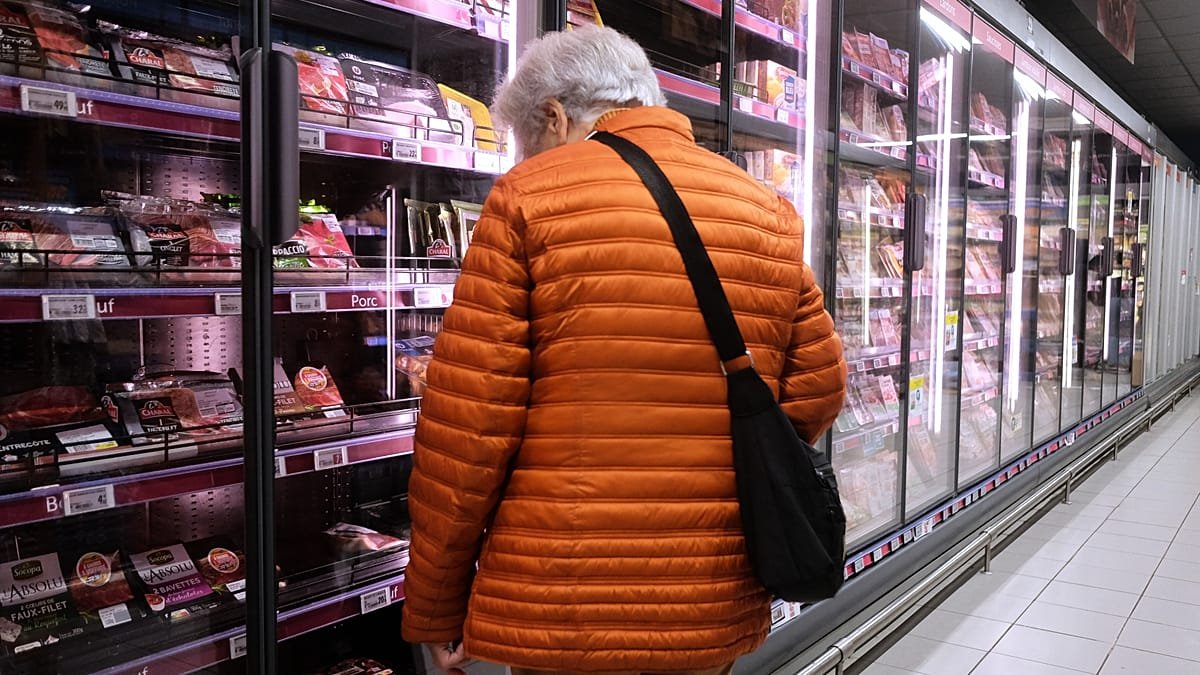
Supply Chain Fragility and Rising Food Costs
European shoppers are feeling the pinch as rising food costs begin to accelerate, moving beyond the energy-driven inflation seen earlier this year. While headline inflation in the eurozone hit 4% in October, the specific impact of rising food costs is now becoming visible on supermarket shelves from Naples to Paris. Recent data suggests that the stability of the food supply chain is being tested by logistics disruptions and mounting operational expenses.
Logistics Bottlenecks and Empty Shelves
In southern Italy, the reality of rising food costs manifested in empty produce aisles during late October. Lorry drivers protesting the high price of diesel blocked major ports and transit routes, causing rapid shortages of fresh milk, meat, and vegetables. This scenario serves as a stark reminder of how rising food costs are tied to the fuel-intensive nature of modern food transportation. According to Eurostat, while processed food inflation remains relatively modest, unprocessed goods are seeing significant price hikes.
Regional Disparities in Grocery Pricing
The impact is not uniform across the continent. France reported an 8% increase in fresh product pricing, while Italy saw unprocessed food costs jump by 7.5% in October compared to the previous year. This volatility highlights why rising food costs are becoming a primary concern for policymakers. Tractors, greenhouses, and long-haul transport all rely heavily on energy, meaning any fluctuation in fuel prices immediately flows down to the consumer level.
Rising Food Costs: Analysis and Key Insights
- Unprocessed food prices rose by 4.6% in the eurozone in October.
- Energy costs remain the primary driver of headline inflation at 20.8%.
- Logistics disruptions have caused localized inventory shortages in Italy.
The Bottom Line for European Consumers
As we look toward the coming months, the reliance on stable fuel prices will determine if these spikes in rising food costs stabilize or worsen. For now, the combination of energy price shocks and regional supply chain volatility suggests that the weekly shopping trip will remain more expensive than consumers are accustomed to, forcing households to adjust their budgets to accommodate these persistent price pressures.