
Steam Achievement Sets Solve Completionist DLC Dilemma
For years, dedicated PC players striving for perfection have faced a frustrating obstacle. Whenever a favorite title released new downloadable content, completion percentages plummeted overnight. Fortunately, Valve is launching Steam Achievement Sets to permanently fix this annoying problem. Specifically, the platform now separates base game achievements from expansion trophies. Consequently, developers can add fresh gameplay challenges without ruining your hard-earned 100 percent record. Announced recently, this innovative feature is currently live in the Steam Client beta.
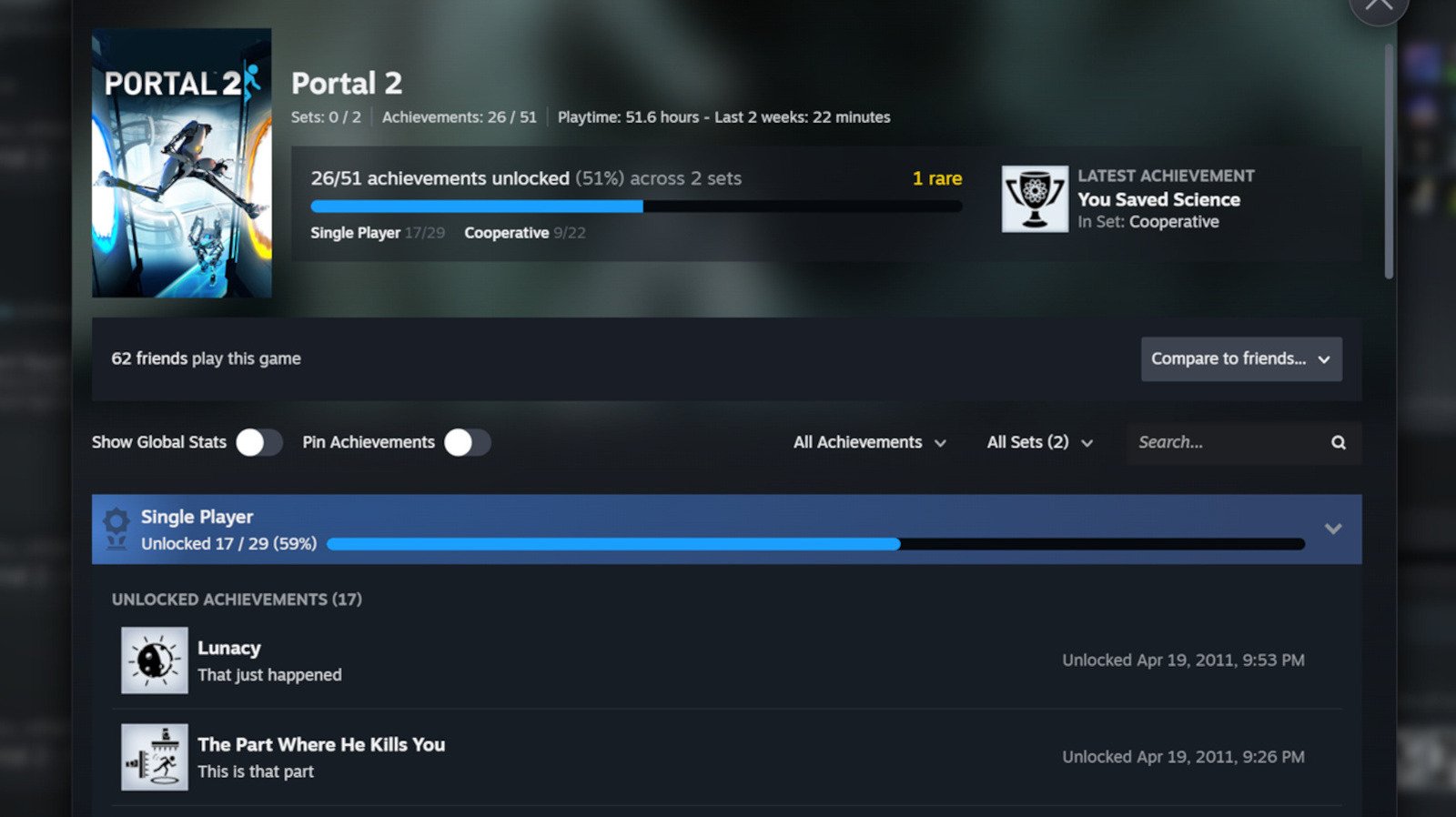
Developers must actively update their games to support these specific collections. However, a growing number of titles already incorporate the new framework. For instance, creators can group single-player and multiplayer milestones separately. Alternatively, they can introduce seasonal collections, such as dedicated sets for Halloween events. Furthermore, users can view these organized collections directly on their profile pages. Each individual set features a distinct progress bar displaying current completion status. Furthermore, players earn a special trophy on their profile once they finish every goal within a specific collection.
Understanding Base Game and DLC Collections
Under the updated system, Valve divides collections into two distinct types: Base Game Achievement Sets and DLC Achievement Sets. Specifically, all base game trophies and their progress bars appear in blue on the redesigned achievements page. Meanwhile, downloadable content achievements and their respective progress bars display in purple. According to Valve’s official platform notes, these extra sets will remain hidden from overall game progress until the user actually accesses the required content.
Ultimately, this ensures that unpurchased expansions never drag down a player’s completion statistics. Additionally, the platform has completely redesigned its achievements page to showcase these collections clearly. Specifically, the refreshed interface allows users to compare their overall progress with up to three friends. Meanwhile, players can easily showcase rare achievements and completed sets to their peers. Ultimately, Steam Achievement Sets transform how digital collectors track milestones.
Expanding Features for Dedicated Players
As the gaming industry continues to evolve, maintaining player engagement remains critical for developers. Therefore, introducing tools like Steam Achievement Sets helps sustain long-term interest in older titles. Specifically, players no longer need to fear returning to a favorite game for fear of losing their pristine profile stats. Moreover, developers gain unprecedented flexibility in structuring expansion content.
Specifically, your overall progress will always remain locked at 100 percent even if creators add dozens of new goals later on. Additionally, early adopters testing the client beta report a seamless user experience. Specifically, navigating between base games and expansion tiers requires minimal effort. Ultimately, Steam Achievement Sets deliver the exact solution completionists have demanded for over a decade. As more developers adopt the SDK update, the entire PC gaming ecosystem will benefit from this thoughtful redesign.
Steam Achievement Sets Market Impact and Industry Significance
The introduction of Steam Achievement Sets represents a pivotal shift in modern technological adoption across enterprise and consumer sectors alike. Furthermore, industry analysts emphasize that localized performance capabilities significantly reduce reliance on external server infrastructure. Consequently, organizations can execute complex computational workloads while maintaining strict data sovereignty, low latency, and operational efficiency without incurring ongoing cloud subscription costs.
Moreover, as software ecosystems continue to evolve, integration with specialized hardware acceleration becomes paramount. Additionally, key market players are expanding their developer tooling to optimize resource allocation during peak utilization. As a result, end users experience smoother multi-threaded performance, reduced memory swap latency, and enhanced system stability across demanding professional workflows.