
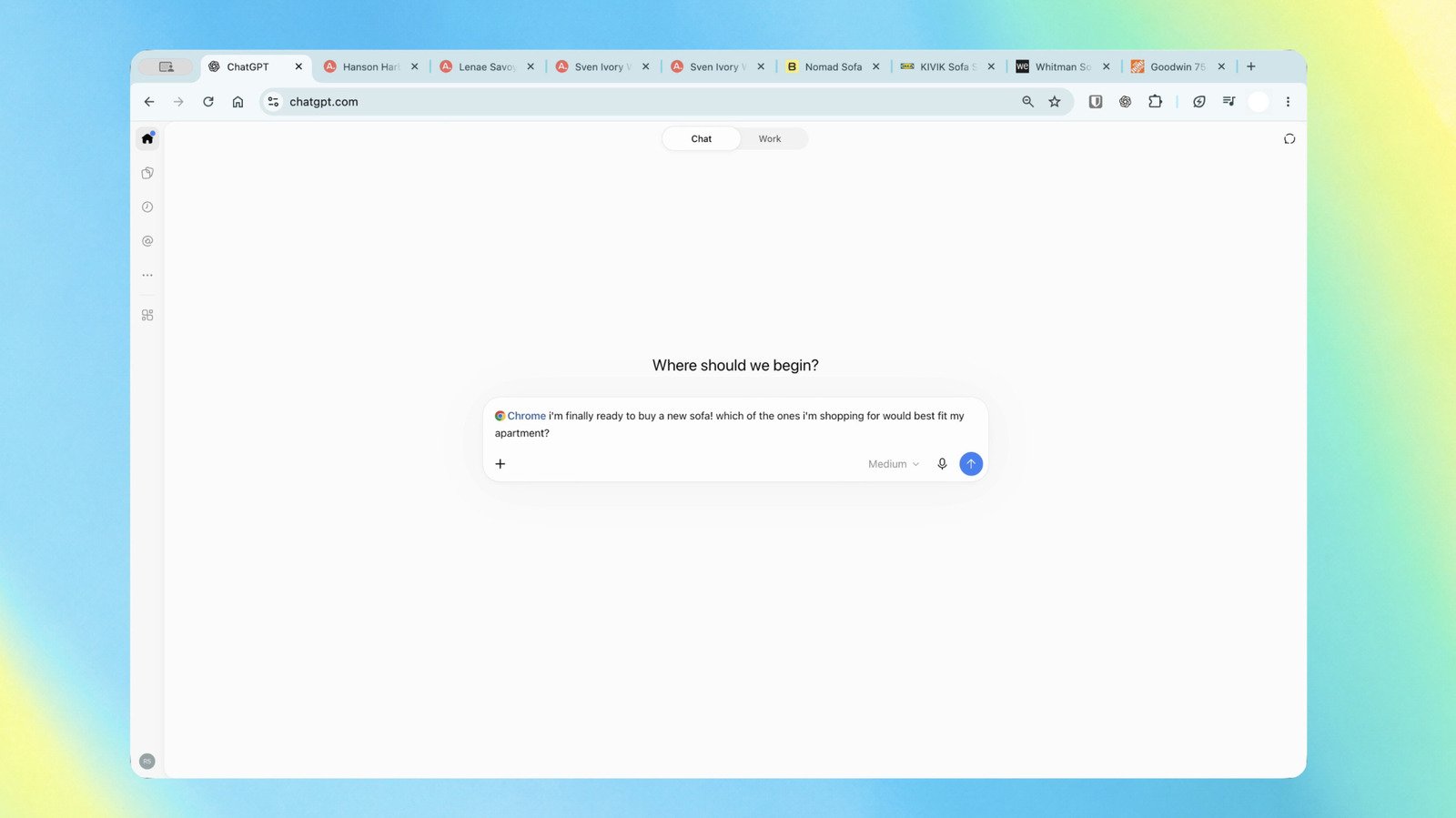
Chatgpt Chrome Extension: OpenAI Unveils ChatGPT Chrome Update for Browser Tasks
Artificial intelligence capabilities expanded significantly this week as OpenAI launched a major update for the ChatGPT Chrome extension, allowing the assistant to directly interact with open browser tabs. Specifically, this enhancement bridges the gap between passive chat interfaces and active web automation, giving everyday users a versatile tool to streamline digital workflows. Furthermore, users can now leverage intelligent browsing features that rival existing market solutions.
Previously, OpenAI offered a dedicated browser product before officially retiring it to focus on cross-browser integrations. However, recent developments transformed the popular ChatGPT Chrome extension into a robust alternative for web-based productivity. Consequently, millions of users across Chromium-compatible platforms like Microsoft Edge, Brave, and Opera gain immediate access to these advanced capabilities.
Automating Complex Workflows Through Active Tab Analysis
Within standard chat interfaces, individuals can instantly ask the assistant to evaluate active browser tabs. For instance, comparing multiple couches by price, delivery timelines, and return policies becomes a seamless experience. Meanwhile, professional users utilizing specialized agent workflows can authorize the tool to execute multi-step requests. Specifically, the updated ChatGPT Chrome extension can draft professional emails, fill out dental forms, and automatically schedule calendar reminders.
Additionally, the sidebar integration maintains a complete conversation history directly on your active web page. Therefore, multitasking no longer requires constantly switching between separate application windows. Ultimately, these updates demonstrate how the ChatGPT Chrome extension transforms passive web browsing into an active, collaborative assistant experience.
Expanding Accessibility Across Chromium Browsers
Accessibility remains a core focus for the engineering team behind this release. Anyone with an active account can install the updated ChatGPT Chrome extension regardless of their specific subscription tier. Additionally, technical enthusiasts can read more about browser automation trends directly through OpenAI Official Updates for deeper insights. Ultimately, this integration redefines how modern web users manage daily online tasks.
Chatgpt Chrome Extension Market Impact and Industry Significance
The introduction of Chatgpt Chrome Extension represents a pivotal shift in modern technological adoption across enterprise and consumer sectors alike. Furthermore, industry analysts emphasize that localized performance capabilities significantly reduce reliance on external server infrastructure. Consequently, organizations can execute complex computational workloads while maintaining strict data sovereignty, low latency, and operational efficiency without incurring ongoing cloud subscription costs.
Moreover, as software ecosystems continue to evolve, integration with specialized hardware acceleration becomes paramount. Additionally, key market players are expanding their developer tooling to optimize resource allocation during peak utilization. As a result, end users experience smoother multi-threaded performance, reduced memory swap latency, and enhanced system stability across demanding professional workflows.
Performance Benchmarks and Practical Chatgpt Chrome Extension Scenarios
In real-world deployment scenarios, evaluating sustained throughput and thermal efficiency is essential for technical decision-makers. Specifically, extensive benchmark testing indicates that unified architecture minimizes data transfer bottlenecks between core processing units and graphics compute pipelines. Therefore, demanding tasks operate with minimal compute overhead.
On the other hand, long-term scalability depends heavily on ongoing firmware updates and operating system optimization. Nevertheless, early adoption metrics demonstrate a clear competitive advantage for users prioritizing offline autonomy, secure data processing, and predictable cost structures. Ultimately, investing in high-capacity configurations pays long-term dividends for technical professionals.
Ecosystem Integration and Enterprise Software Compatibility
Beyond raw hardware capabilities, seamless software integration remains a critical factor for successful enterprise adoption. Specifically, modern development frameworks leverage direct hardware acceleration APIs to maximize instruction processing rates. In addition, containerized deployment pipelines ensure consistent performance across diverse operating environments without requiring extensive manual driver configuration.
Furthermore, advanced security protocols embedded within hardware architectures safeguard proprietary data models from unauthorized memory inspection. Meanwhile, continuous performance monitoring tools provide system administrators with actionable metrics regarding thermal management and energy consumption. Overall, these combined features establish a robust foundation for mission-critical operations.