
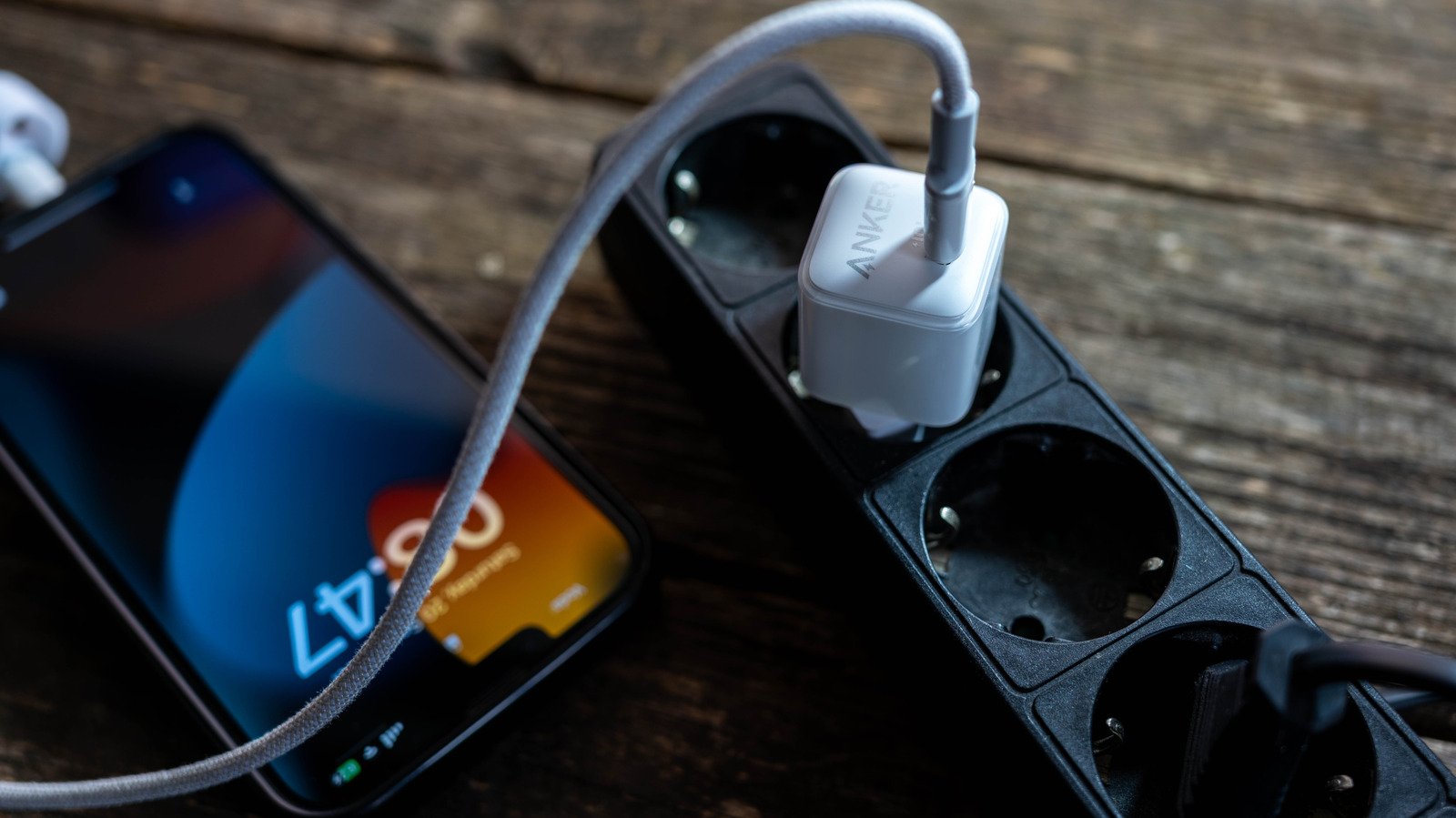
Poweriq Chargers: Understanding Anker Chargers and PowerIQ Technology
PowerIQ chargers have quietly become a household staple for gadget enthusiasts trying to cut through confusing tech jargon. When shopping for portable electronics, buying the wrong charging block can leave your phone stranded or slowly degrade its internal chemistry. Anker developed its proprietary PowerIQ system specifically to streamline energy delivery across different hardware brands without frying delicate circuits.
Unlike generic wall bricks that push a static stream of electricity, these advanced units communicate directly with your connected hardware. Because of this smart handshake, the charging block instantly adjusts its voltage output to match what your specific battery can safely handle. That dynamic adjustment prevents overheating while squeezing maximum efficiency out of every wall outlet in your home or office.
Poweriq Chargers: How PowerIQ Compares to Quick Charge and USB-PD Standards
The consumer electronics market relies on several competing protocols to push power through a cable. You have likely encountered USB Power Delivery or Qualcomm Quick Charge symbols printed on various adapters. PowerIQ does not replace these standards; instead, it bridges them seamlessly.
In terms of Poweriq Chargers, The latest iteration, PIQ 4.0, maintains full backward and cross-compatibility with both Quick Charge and PD 3.0 protocols. That means a modern charging block can fast-charge an Android handset just as efficiently as an Apple iPad or a Nintendo Switch. Here is what separates these modern power bricks from older generation accessories:
- Dynamic Voltage Control: Automatically scales power output to match exact device requirements in real time.
- Universal Protocol Support: Interoperates cleanly with USB-PD and Qualcomm Quick Charge standards.
- Hardware Temperature Monitoring: Tracks thermal output during heavy fast-charging sessions to prevent long-term degradation.
Why Pure Wattage Ratings Do Not Tell the Whole Story
Shoppers often assume that buying a massive 100W power brick automatically translates to instant charging speeds for every gadget they own. In reality, charging velocity is strictly bottlenecked by the receiver. If a smartphone is engineered to accept a maximum of 12W, feeding it massive wattage will not speed up the process.
That said, modern Anker chargers are packing physical display screens that let you inspect real-time wattage and temperature statistics while plugged in. Although everyday users might find these live metrics slightly excessive, they offer welcome transparency for tech hobbyists who like tracking power draw.
What This Means for Your Everyday Device Setup
In terms of Poweriq Chargers, Investing in reliable hardware ultimately preserves the longevity of your expensive electronics. While fast-charging inherently introduces some chemical wear over years of daily top-ups, intelligent power routing helps mitigate premature battery failure.
That said, consumers should always verify that their charging accessories come from trusted manufacturers listed on platforms like The Verge rather than buying unverified discount brands online. Choosing well-engineered power accessories ensures your expensive gear stays functional for the long haul.