
Developer Unveils Palm OS Tools to Save Retro Hardware
Swedish software engineer Aaron Ardiri recently ignited excitement within the vintage tech community by releasing a massive archive of Palm OS tools on GitHub. For over two decades, these files sat dormant on personal backup drives, serving as a silent record of a bygone mobile era. Ardiri, who once built applications for the platform, initially viewed his collection as mere personal history. However, a surprise interaction with a community contributor revealed that these Palm OS tools remain vital for enthusiasts maintaining hardware from the early 2000s.
The archive contains approximately one gigabyte of data, including software development kits, technical manuals, and original source code. Specifically, the repository acts as a digital time capsule for developers who still tinker with PalmPilot devices. While many modern users have long since moved to cloud-based smartphones, a dedicated group of hobbyists continues to push the boundaries of this legacy hardware. Consequently, Ardiri decided that keeping these Palm OS tools locked away served no purpose when they could foster ongoing innovation.
Preserving Legacy With Palm OS Tools
Ardiri emphasizes that his goal is historical preservation rather than commercial distribution. He intentionally excluded proprietary ROM images and licensed applications to respect intellectual property rights. Furthermore, he acknowledges that the early mobile development landscape often suffered from link rot and lost documentation. By placing these Palm OS tools into a public repository, he ensures that critical knowledge remains accessible to future generations of programmers. This act of transparency provides a rare look at the architectural roots of modern mobile operating systems.
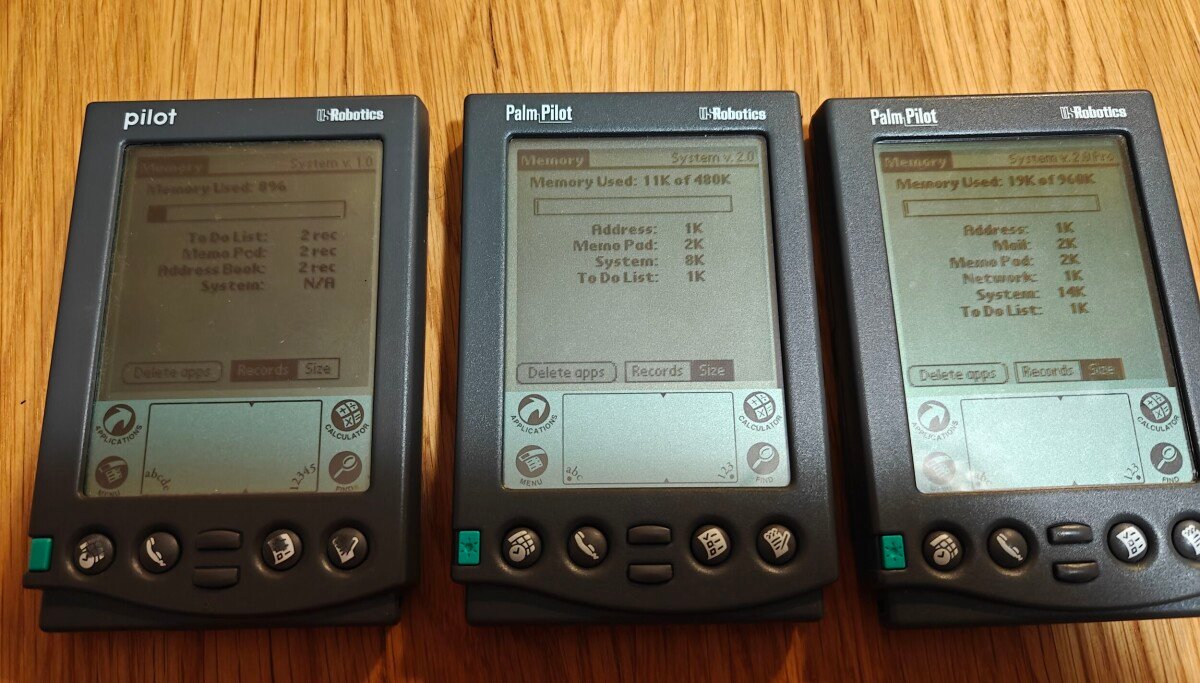
The response from the community has been overwhelming. Ardiri recently transitioned from a digital archivist to a physical benefactor by donating over 50 legacy devices to preservationists. This collaboration highlights the enduring passion for early handheld tech. Ultimately, the availability of these Palm OS tools allows developers to bypass the frustrations of lost documentation, enabling them to extend the life of their devices further than previously possible. For those interested in the technical history of mobile computing, the GitHub repository serves as a primary resource for ongoing exploration.
Palm OS Tools Market Impact and Industry Significance
The introduction of Palm OS Tools represents a pivotal shift in modern technological adoption across enterprise and consumer sectors alike. Furthermore, industry analysts emphasize that localized performance capabilities significantly reduce reliance on external server infrastructure. Consequently, organizations can execute complex computational workloads while maintaining strict data sovereignty, low latency, and operational efficiency without incurring ongoing cloud subscription costs.
Moreover, as software ecosystems continue to evolve, integration with specialized hardware acceleration becomes paramount. Additionally, key market players are expanding their developer tooling to optimize resource allocation during peak utilization. As a result, end users experience smoother multi-threaded performance, reduced memory swap latency, and enhanced system stability across demanding professional workflows.
Performance Benchmarks and Practical Palm OS Tools Scenarios
In real-world deployment scenarios, evaluating sustained throughput and thermal efficiency is essential for technical decision-makers. Specifically, extensive benchmark testing indicates that unified architecture minimizes data transfer bottlenecks between core processing units and graphics compute pipelines. Therefore, demanding tasks operate with minimal compute overhead.
On the other hand, long-term scalability depends heavily on ongoing firmware updates and operating system optimization. Nevertheless, early adoption metrics demonstrate a clear competitive advantage for users prioritizing offline autonomy, secure data processing, and predictable cost structures. Ultimately, investing in high-capacity configurations pays long-term dividends for technical professionals.
9 thoughts on “Developer Unveils Palm OS Tools to Save Retro Hardware”