
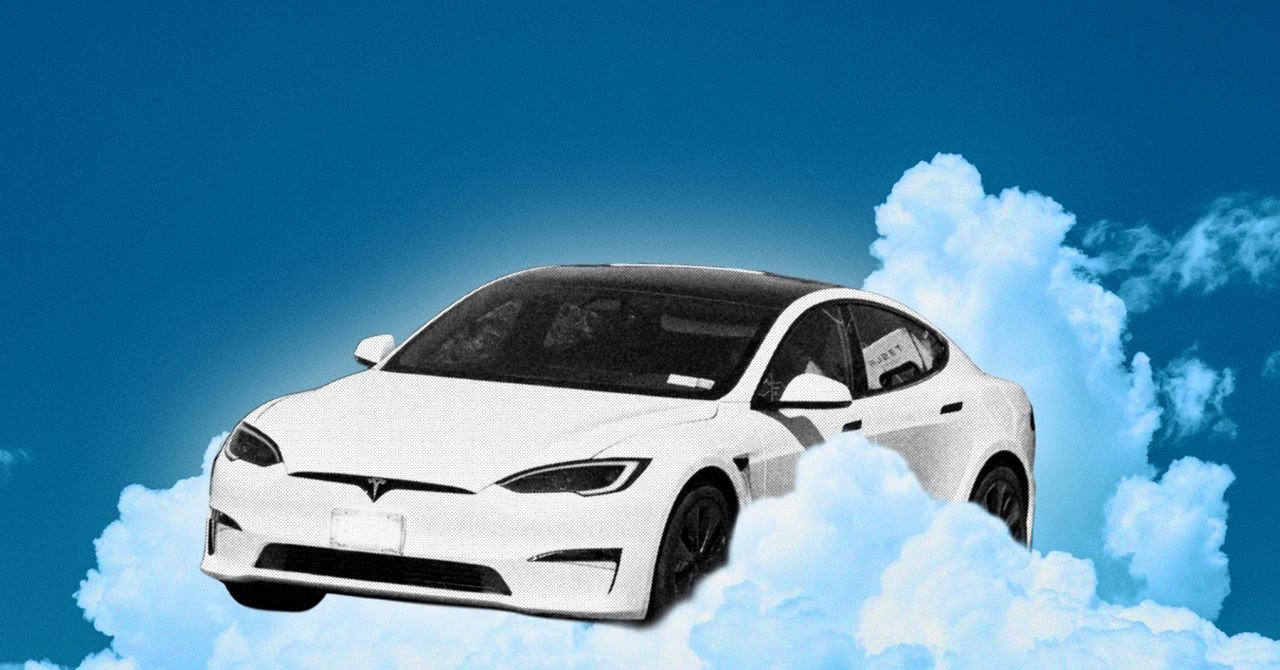
Tesla Unveils Tesla Roadster 2 During Rocket Facility Test
The long-awaited Tesla Roadster 2 recently made a brief appearance at a SpaceX testing facility in McGregor, Texas. During the demonstration, the vehicle performed an unconventional, jerking maneuver that allowed it to hover a few dozen feet off the ground. While the display provided a glimpse into the future, Elon Musk noted that the car currently lacks a human occupant to prioritize safety. Consequently, the company aims to move this ambitious project toward a 2028 production timeline, though the pricing remains unconfirmed.
However, the concept of a Tesla Roadster 2 functioning as a genuine flying car faces significant hurdles. Aviation experts emphasize that any machine capable of leaving the earth’s surface falls under the strict jurisdiction of the Federal Aviation Administration (FAA). Therefore, the vehicle will likely encounter immense regulatory scrutiny before it can ever be legally operated in a public setting. Furthermore, Musk himself admitted that the current prototype is not necessarily optimized for safety or legal compliance in all jurisdictions.
Navigating Regulations for the Tesla Roadster 2
Getting the Tesla Roadster 2 certified for flight will be an arduous journey. According to former FAA officials, any vehicle weighing over 250 pounds requires rigorous approval processes and specific clearances to enter national airspace. Additionally, owners would likely need to obtain a recreational aviation license rather than relying on a standard driver’s license. Ultimately, these legal requirements suggest that widespread adoption remains a distant prospect.
Moreover, the logistics of takeoff and landing present their own set of challenges. Most regions require aircraft to operate from designated airports or helipads. Launching a Tesla Roadster 2 from a public highway would likely violate local traffic and aviation laws, as authorities rarely permit sudden aircraft intrusions into urban environments. For instance, you cannot simply land a helicopter at a restaurant; similarly, drivers will likely be restricted to using such vehicles on private, expansive property. As a result, the dream of a flying commuter car remains tethered to complex land-use regulations.
Meanwhile, the FAA continues to oversee the development of electric vertical take-off and landing (eVTOL) technology. These aircraft differ significantly from the Tesla Roadster 2, utilizing multiple small motors to transport passengers autonomously. While companies focus on building local vertipads to bypass traffic, the path for Tesla’s sports car remains less clear. Whether this vehicle evolves into a consumer product or remains a niche engineering experiment is a question that only time will answer.
For full official background and direct documentation, read the source coverage on wired Reporting.
Tesla Roadster 2 Market Impact and Industry Significance
The introduction of Tesla Roadster 2 represents a pivotal shift in modern technological adoption across enterprise and consumer sectors alike. Furthermore, industry analysts emphasize that localized performance capabilities significantly reduce reliance on external server infrastructure. Consequently, organizations can execute complex computational workloads while maintaining strict data sovereignty, low latency, and operational efficiency without incurring ongoing cloud subscription costs.
Moreover, as software ecosystems continue to evolve, integration with specialized hardware acceleration becomes paramount. Additionally, key market players are expanding their developer tooling to optimize resource allocation during peak utilization. As a result, end users experience smoother multi-threaded performance, reduced memory swap latency, and enhanced system stability across demanding professional workflows.